
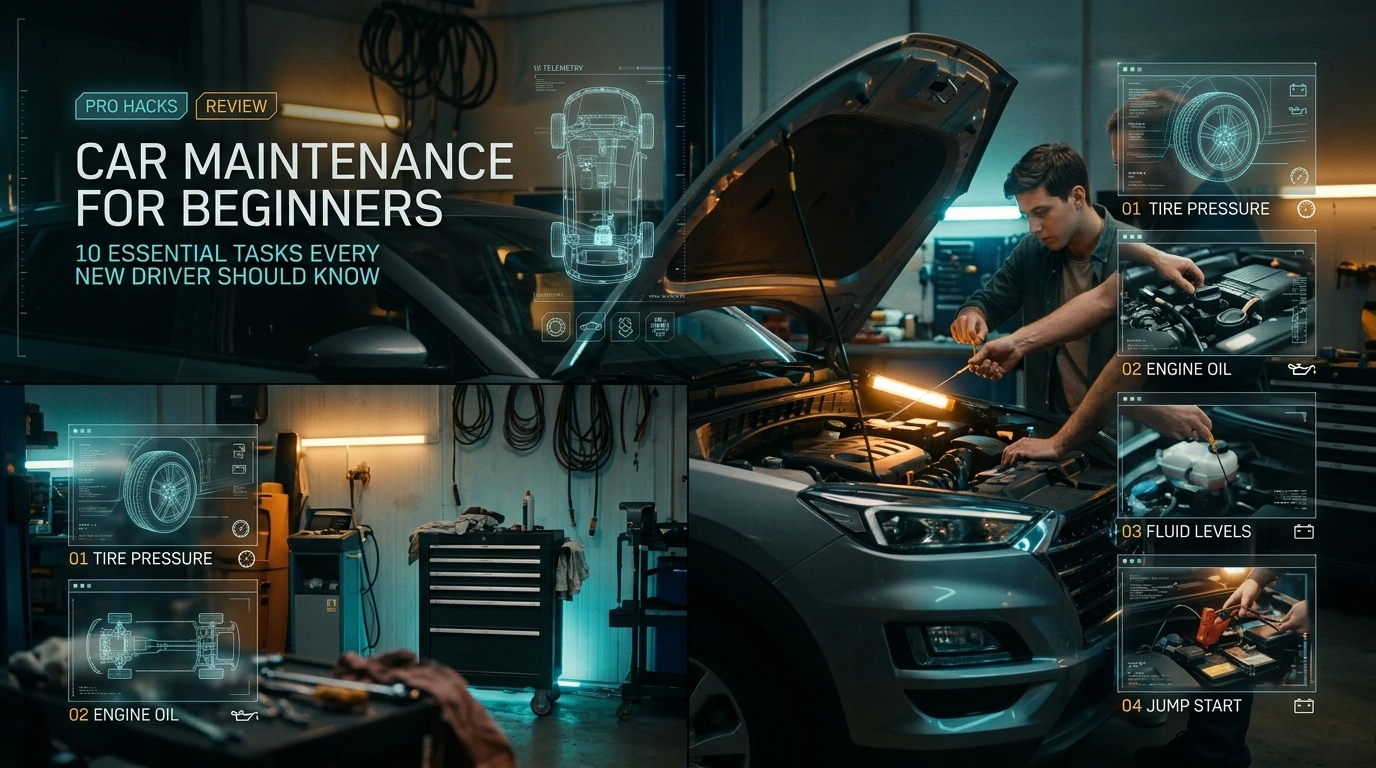
Embarking on the journey of car ownership as a new driver brings an exciting sense of freedom, yet it also carries the responsibility of vehicle upkeep. Understanding basic car maintenance is not just about extending your vehicle's life; it's fundamentally about ensuring your safety and the safety of others on the road. Neglecting routine checks can lead to unexpected breakdowns, costly repairs, and even dangerous driving conditions.
This guide outlines ten essential car care tasks that every new driver should integrate into their routine. Mastering these fundamental checks will empower you, save you money in the long run, and build confidence behind the wheel.
Key Takeaways
- Prioritize Safety: Regular checks on tires, brakes, and lights are crucial for preventing accidents.
- Extend Vehicle Lifespan: Monitoring fluids and filters helps maintain engine health and overall system integrity.
- Save Money: Proactive maintenance significantly reduces the likelihood of expensive emergency repairs.
- Build Confidence: Understanding your vehicle's basic needs empowers you as a driver and owner.
Fluid Management: The Lifeblood of Your Engine
Your car relies on a variety of fluids to operate correctly, each serving a critical function. Regular inspection of these levels is a straightforward task that can prevent significant mechanical issues.
1. Checking Engine Oil Levels
Engine oil lubricates moving parts, reduces friction, and helps cool the engine. Low or dirty oil can lead to severe engine damage.
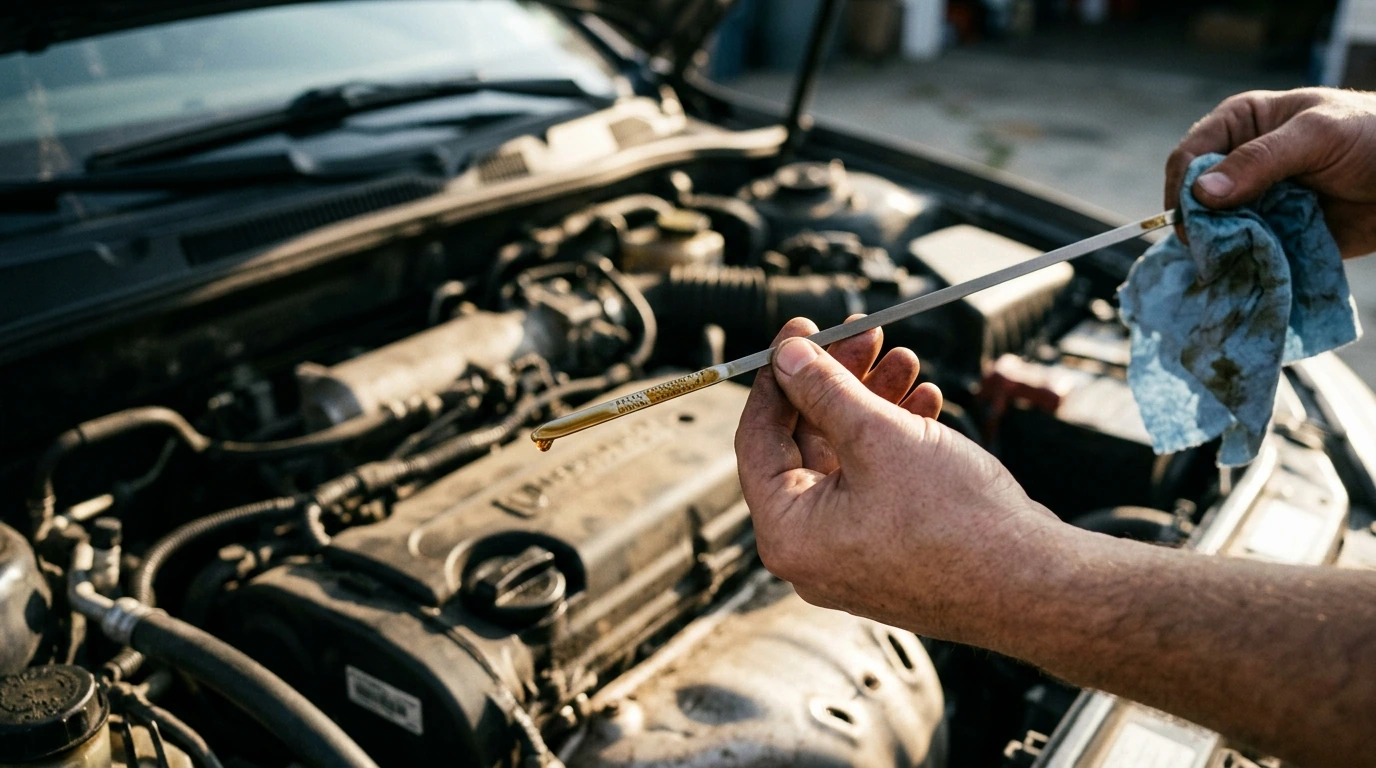
- Locate the Dipstick: Typically yellow or orange, it's usually on the side of the engine.
- Ensure Engine is Cool: For an accurate reading, the vehicle should be on level ground and the engine off for at least 10-15 minutes.
- Remove and Wipe: Pull out the dipstick, wipe it clean with a rag, and reinsert it fully.
- Read the Level: Pull it out again and check the oil level against the 'min' and 'max' marks. If below 'min', add the recommended oil type.
- Observe Color: Fresh oil is amber. Dark, gritty oil indicates it's time for an oil change, typically every 5,000 to 7,500 miles, though manufacturer specifications vary.
2. Monitoring Coolant and Brake Fluid
Coolant prevents your engine from overheating, while brake fluid is essential for your braking system's hydraulic function.
- Coolant Reservoir: Locate the translucent plastic reservoir, usually near the radiator. Check the level against the 'cold fill' line when the engine is cold. Never open a hot radiator cap.
- Brake Fluid Reservoir: Typically a small, translucent reservoir near the master cylinder on the driver's side. Ensure the fluid is between the 'min' and 'max' lines. Low brake fluid can indicate worn brake pads or a leak, warranting immediate professional inspection.
Tire Health: Your Only Contact with the Road
Tires are critical for vehicle control, braking, and overall safety. Proper tire maintenance is simple but often overlooked.
3. Maintaining Correct Tire Pressure
Incorrect tire pressure affects handling, fuel efficiency, and tire longevity.
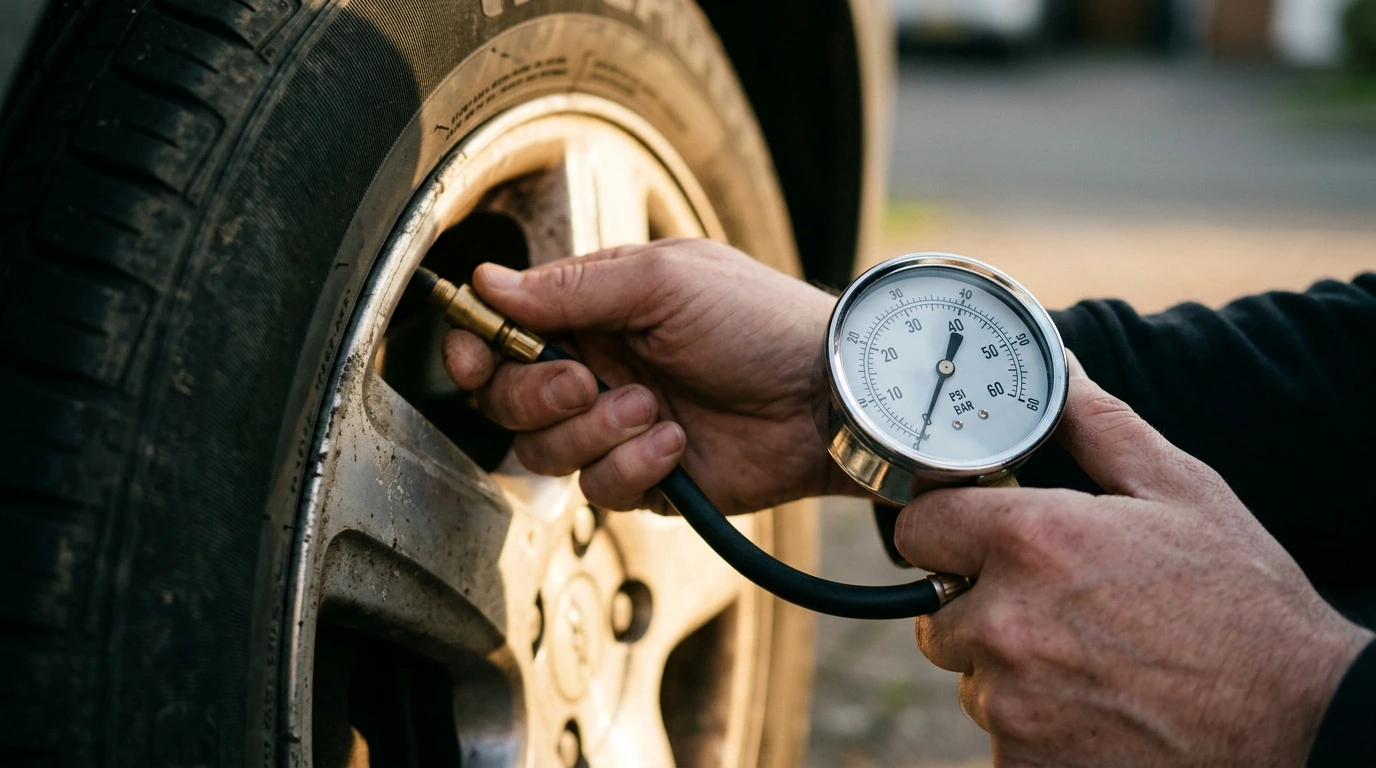
- Find Recommended Pressure: This is usually on a sticker inside the driver's side door jamb or in your owner's manual, not on the tire sidewall itself.
- Use a Reliable Gauge: Check pressure when tires are cold (driven less than a mile).
- Inflate or Deflate: Add air if too low, or release air if too high, until it matches the recommended PSI (pounds per square inch).
4. Inspecting Tire Tread Depth
Adequate tread depth is vital for traction, especially in wet conditions.
- The Penny Test: Insert a penny into a tread groove with Lincoln's head upside down. If you can see the top of Lincoln's head, your tread is shallow, typically indicating less than 2/32 of an inch remaining, and the tire should be replaced.
- Look for Wear Indicators: Many tires have built-in tread wear indicator bars that become flush with the tread when it's time for replacement.
Visibility and Lighting: See and Be Seen
Clear visibility and functional lighting are non-negotiable for safe driving, especially at night or in adverse weather.
5. Testing All Exterior Lights
Headlights, taillights, brake lights, and turn signals communicate your intentions to other drivers.
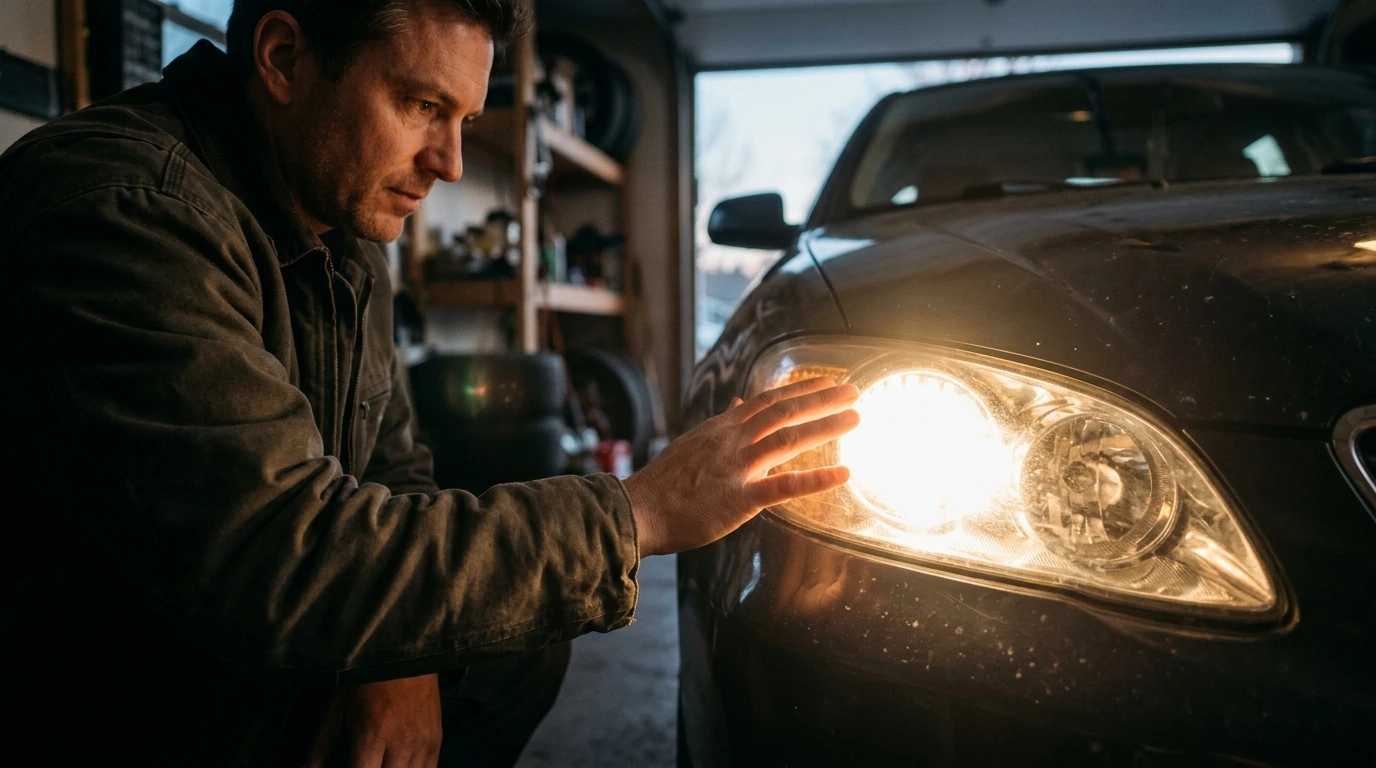
- Headlights & Taillights: Turn on your lights and walk around the car to confirm all are working, including high beams.
- Brake Lights: Have a friend stand behind the car or back up to a reflective surface (like a garage door) and press the brake pedal.
- Turn Signals: Activate each turn signal and check both front and rear indicators.
6. Replacing Wiper Blades
Worn wiper blades can severely impair visibility during rain or snow.
- Visual Inspection: Look for cracks, tears, or hardening of the rubber.
- Performance Check: If wipers leave streaks, chatter, or don't clear the windshield effectively, it's time for new ones. Replacement is generally straightforward and many auto parts stores offer assistance.
Power and Purity: Battery and Air Filtration
These components are fundamental to your car's ability to start and run efficiently.
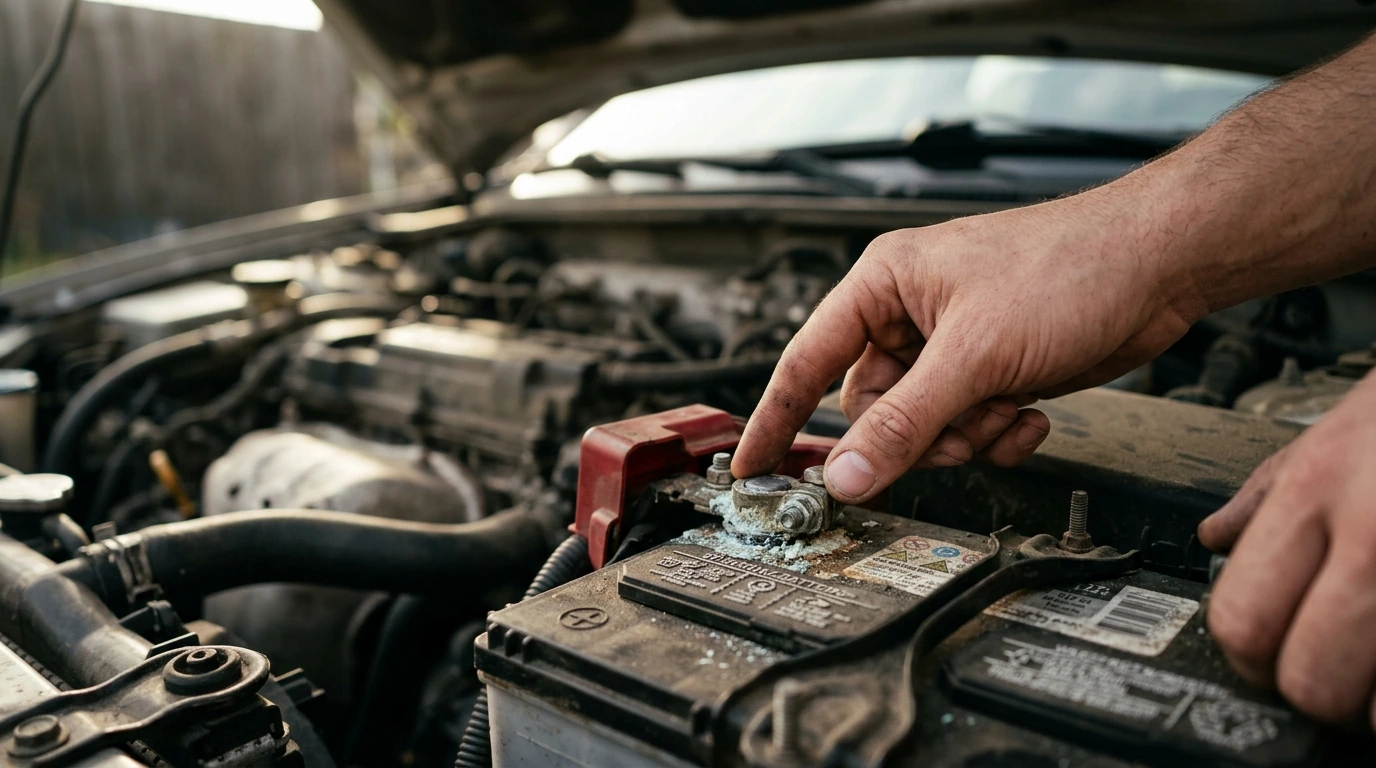
7. Checking Battery Terminals
A clean, secure battery connection ensures reliable starting power.
- Safety First: Always wear gloves and eye protection. Ensure the engine is off.
- Inspect for Corrosion: Look for white or blue powdery buildup on the battery terminals.
- Clean if Necessary: If corrosion is present, disconnect the terminals (negative first, then positive) and clean them with a wire brush and a baking soda-water solution. Reconnect securely.
8. Inspecting and Replacing Air Filters
The engine air filter prevents dirt and debris from entering the engine, ensuring proper combustion and fuel efficiency.
- Locate Filter Housing: Typically a large black box on top or side of the engine, connected to the air intake.
- Remove and Inspect: Open the housing (usually with clips or screws) and remove the filter. Hold it up to a light; if you can't see light through it or it's visibly dirty, it needs replacement.
- Replace: Insert a new filter, ensuring it fits snugly, and close the housing.
Emergency Readiness and Dashboard Alerts
Being prepared for the unexpected and understanding your vehicle's communication signals are vital aspects of responsible driving.
9. Knowing Your Spare Tire and Jack
A flat tire can happen at any time. Knowing how to change one, or at least how to access your spare and tools, is crucial.
- Locate Spare and Tools: Usually in the trunk under the floor mat, or sometimes mounted underneath the vehicle.
- Check Spare Tire Pressure: Just like your regular tires, the spare needs proper inflation. Check it periodically.
- Familiarize Yourself: Read your owner's manual on how to safely use the jack and lug wrench. Consider watching a tutorial or practicing in a safe environment.
10. Understanding Dashboard Warning Indicators
Your car's dashboard lights are its way of communicating potential issues.
- Consult Your Manual: Familiarize yourself with the meaning of common warning lights (e.g., check engine, oil pressure, battery, brake warning).
- Act Promptly: Red lights generally indicate a severe problem requiring immediate attention. Yellow/orange lights suggest a less urgent but still important issue that should be addressed soon.
The Benefits and Challenges of DIY Car Care
Engaging in basic car maintenance offers distinct advantages, but it's important to acknowledge the commitment involved.
Advantages of Regular Self-Maintenance:
- Enhanced Safety: A well-maintained vehicle is inherently safer, reducing the risk of accidents caused by mechanical failure.
- Extended Vehicle Lifespan: Proactive care helps components last longer, delaying the need for costly replacements.
- Reduced Operating Costs: Proper tire pressure improves fuel economy, and timely fluid changes prevent expensive repairs.
- Increased Driver Confidence: Understanding your car's needs makes you a more informed and empowered driver.
- Better Resale Value: A vehicle with a documented history of regular maintenance typically commands a higher resale price.
Considerations for New Drivers:
- Time Investment: Regular checks require dedicated time and attention.
- Initial Learning Curve: Identifying components and understanding procedures takes some effort initially.
- Risk of Error: Incorrectly performed maintenance can potentially cause damage; always follow manufacturer guidelines.
- Tool Acquisition: Some basic tools (e.g., tire pressure gauge, wrench set) may be necessary.
Final Verdict: Empowering Your Drive
For any new driver, integrating these ten essential maintenance tasks into your routine is a foundational step towards responsible car ownership. It's an investment in your safety, your vehicle's longevity, and your peace of mind. While some tasks may seem daunting at first, the knowledge gained and the money saved make it an incredibly worthwhile endeavor. Always refer to your vehicle's owner's manual for specific instructions and recommended service intervals, and don't hesitate to seek professional assistance for tasks beyond your comfort level or expertise.
Frequently Asked Questions
- How often should I check my car's fluids?
- It's generally recommended to check engine oil and coolant levels at least once a month or before a long road trip. Brake fluid and power steering fluid can often be checked less frequently, perhaps every few months, but always refer to your owner's manual for specific guidelines.
- What's the most important maintenance task for a new driver?
- While all tasks are important, maintaining correct tire pressure and ensuring all exterior lights are functioning are arguably the most critical for immediate safety, as they directly impact your ability to control the vehicle and communicate with other drivers.
- Can I learn to do these tasks myself, or should I go to a mechanic?
- Many of these basic tasks, like checking fluids, tire pressure, and lights, are designed to be easily performed by the owner with minimal tools. For tasks like changing wiper blades or inspecting air filters, many find success with online tutorials and their owner's manual. However, if you're ever unsure or uncomfortable, consulting a certified mechanic is always the safest option.
- What should I do if a dashboard warning light comes on?
- If a red warning light illuminates, it often indicates a serious issue that requires immediate attention; pull over safely and consult your owner's manual or roadside assistance. Yellow or orange lights typically suggest a less urgent issue, but one that should be diagnosed and repaired soon by a qualified technician.