
Regular vehicle maintenance is often perceived as a complex task best left to professional mechanics. However, one of the most fundamental aspects of keeping your car running reliably and safely—checking and topping up its vital fluids—is entirely within the grasp of the average DIY enthusiast. Understanding these basic procedures can significantly extend your vehicle's lifespan and prevent costly repairs.
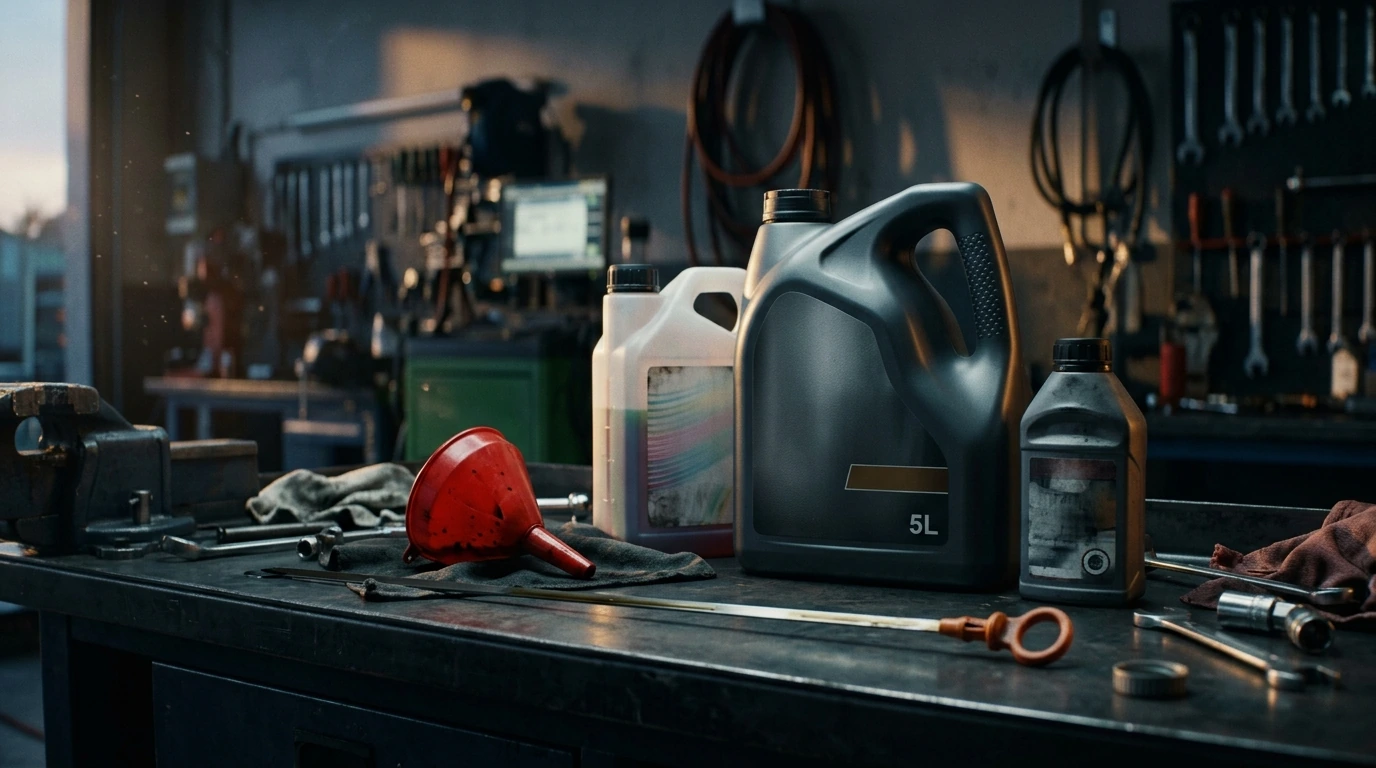
The Unseen Guardians: Why Regular Fluid Checks Matter
What exactly are these 'vital fluids,' and why do they demand your attention? Your car relies on a carefully balanced ecosystem of liquids to lubricate, cool, clean, and actuate various systems. Neglecting these fluids can lead to anything from reduced performance and increased fuel consumption to catastrophic engine failure or compromised braking capability. A routine check, typically recommended every 5,000 to 10,000 miles or every six months, can provide early warning signs of leaks, contamination, or low levels before they escalate into serious issues.
The core strength of a proactive fluid maintenance approach lies in its preventative nature. By adhering to manufacturer-recommended intervals and visually inspecting fluid conditions, vehicle owners can directly contribute to their car's longevity and operational safety. This isn't about advanced diagnostics; it's about basic visual checks that offer significant returns.
Understanding Your Car's Fluid Lifelines: Types and Roles
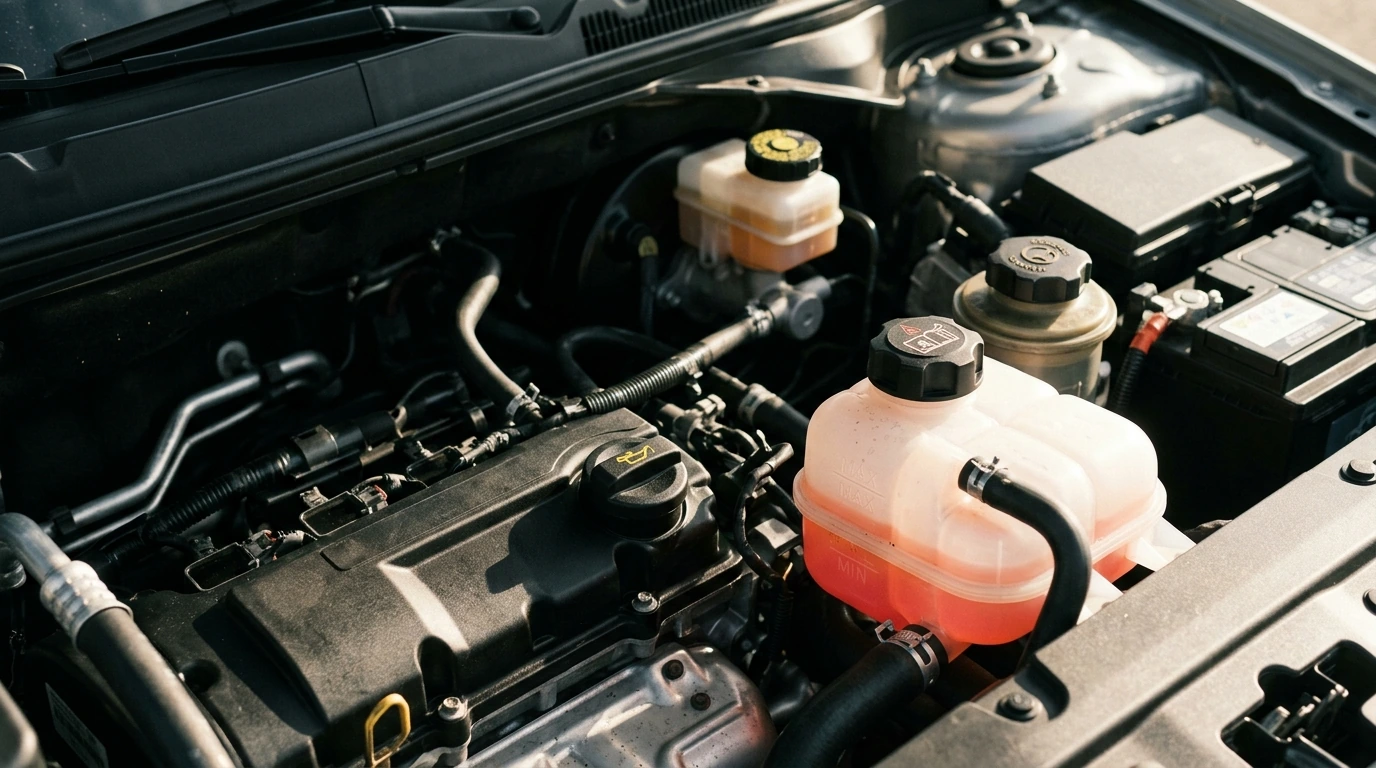
Modern vehicles utilize several distinct fluids, each with a specific function. Knowing what they are and what they do is the first step in effective DIY maintenance:
- Engine Oil: Lubricates moving engine parts, reduces friction, cools components, and helps clean the engine by suspending contaminants.
- Engine Coolant (Antifreeze): Dissipates heat from the engine to prevent overheating and protects against freezing in cold temperatures. It also contains corrosion inhibitors.
- Brake Fluid: A hydraulic fluid that transmits force from the brake pedal to the brake calipers or wheel cylinders, enabling the vehicle to stop.
- Power Steering Fluid: Facilitates easy steering by assisting the power steering pump. (Note: Many newer vehicles use electric power steering and do not have this fluid.)
- Transmission Fluid: Lubricates the transmission's moving parts, cools the system, and acts as a hydraulic fluid for gear changes.
- Windshield Washer Fluid: Cleans the windshield, improving visibility.
Each fluid type has specific chemical properties and viscosity requirements, which is why using the correct type, as specified in your vehicle's owner's manual, is paramount for optimal system performance and component protection. Build quality, in this context, refers to the integrity of the fluid systems themselves—the hoses, reservoirs, and seals—which are designed to contain and protect these vital liquids. Regular visual inspection can often catch signs of wear, cracking, or leaks in these components.
Step-by-Step Fluid Inspection: Practical Procedures
Performing these checks requires minimal tools and can be done in your driveway. Always consult your vehicle's owner's manual for specific locations, fluid types, and recommended intervals, as procedures can vary slightly between makes and models.
Checking Engine Oil
- Park on Level Ground: Ensure the engine is warm but has been off for at least 5-10 minutes to allow oil to drain back into the pan.
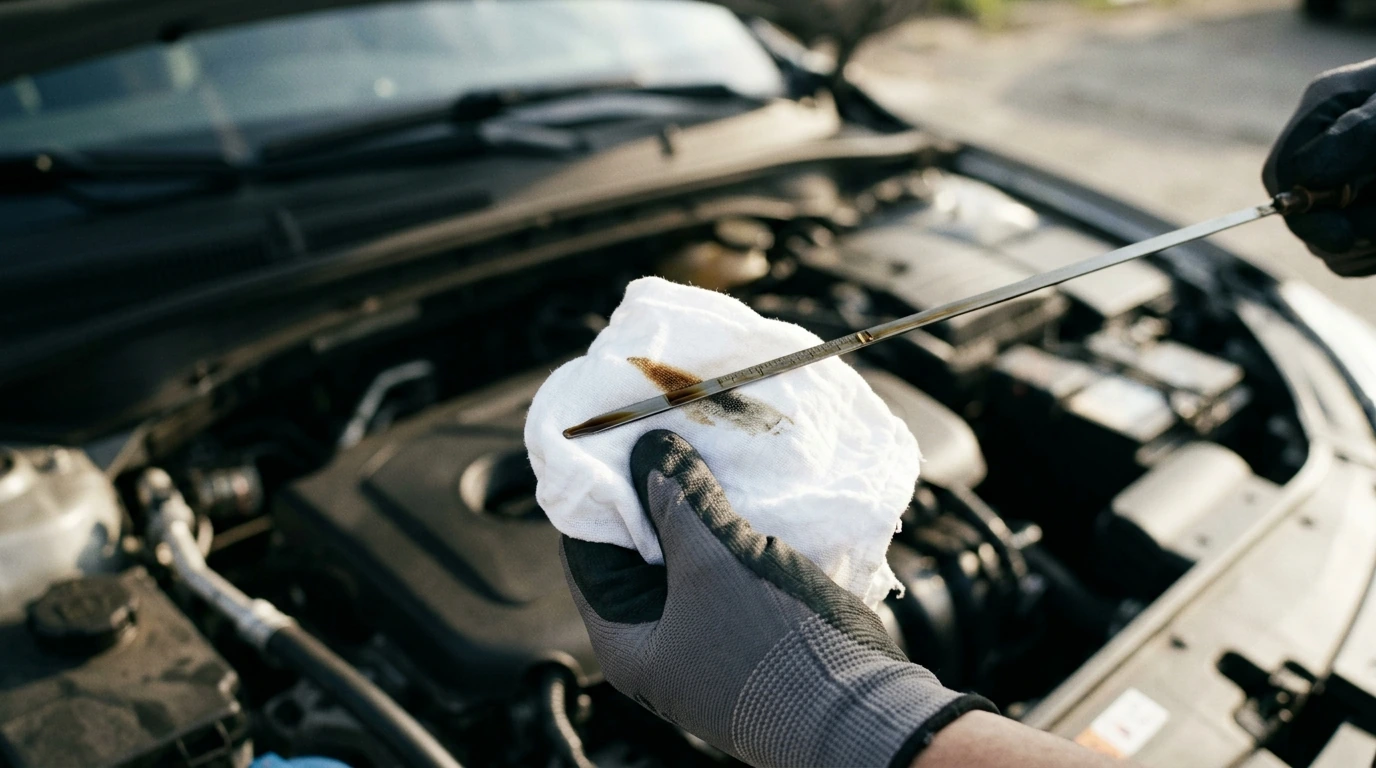
- Locate Dipstick: Typically yellow or orange, pull it out, wipe it clean with a rag, and reinsert it fully.
- Read Level: Pull it out again. The oil level should be between the 'MIN' and 'MAX' marks. Note the color; new oil is amber, while dark brown or black oil indicates it's doing its job, but excessive grit or milky appearance suggests contamination.
- Top Up (if needed): If below the 'MIN' mark, add small amounts of the correct oil type through the oil filler cap, rechecking the level frequently.
Inspecting Engine Coolant
- Engine Cold: This is critical. Never open the radiator cap or coolant reservoir cap when the engine is hot, as pressurized hot fluid can cause severe burns.
- Locate Reservoir: Usually a translucent plastic tank with 'MIN' and 'MAX' lines.
- Check Level: The fluid should be between the marks. Note the color; it should be clean and consistent. Brown or rusty coolant can indicate corrosion.
- Top Up (if needed): Add the specified coolant/water mix to the 'MAX' line.
Assessing Brake Fluid
- Locate Reservoir: Typically a small, clear or translucent plastic reservoir near the master cylinder on the driver's side of the engine bay.
- Check Level: The fluid should be between the 'MIN' and 'MAX' lines.
- Observe Color: Brake fluid is usually clear or light amber. Dark brown or black fluid suggests contamination and indicates it's time for a professional flush and replacement.

Checking Power Steering and Transmission Fluids
These checks are less frequent than oil and coolant. Power steering fluid reservoirs are usually clearly marked. Transmission fluid often has its own dipstick, typically red, and may require checking with the engine running and warm (consult your manual).
Windshield Washer Fluid
This is the simplest. Locate the reservoir (often marked with a windshield icon) and fill it with appropriate washer fluid as needed.
PRO TIP: Consistent Fluid Levels
A sudden or recurring drop in any fluid level, especially engine oil, coolant, or brake fluid, is a strong indicator of a leak. Do not simply top up and ignore it. Investigate the source of the leak or have a qualified technician diagnose the problem promptly. Addressing leaks early can prevent significant damage and maintain vehicle safety.

The Rewards and Risks of Fluid Maintenance
The advantages of consistently monitoring your vehicle's fluids are substantial. Foremost among them is enhanced safety, particularly concerning brake fluid and coolant, which directly impact stopping power and engine temperature regulation. Regular checks contribute to extended component life, as proper lubrication and cooling reduce wear and tear on critical engine and transmission parts. This proactive approach also translates into better fuel efficiency and overall vehicle reliability, reducing the likelihood of unexpected breakdowns.
Conversely, the noticeable drawbacks of neglecting fluid maintenance can be severe. Low engine oil can lead to catastrophic engine seizure, while insufficient coolant can cause overheating, warping cylinder heads, and costly repairs. Depleted or contaminated brake fluid compromises braking effectiveness, posing a significant safety hazard. The cost of repairing damage caused by fluid neglect almost invariably far outweighs the minimal expense and effort of routine checks and topping up.
Empowering Your Drive: A Verdict on DIY Fluid Management
For any vehicle owner, understanding and performing basic fluid checks is an essential skill. It provides an intimate connection to your vehicle's health, offering peace of mind and the ability to detect potential issues before they become critical. This isn't about replacing the role of a professional mechanic for complex diagnostics or repairs, but rather about empowering you with the knowledge to handle routine preventative care.
The definitive purchasing verdict is that investing a small amount of time and a few dollars in the correct fluids and a basic funnel can save you thousands in potential repair costs and significantly enhance your driving safety. This DIY practice is highly recommended for anyone who owns a car, regardless of their mechanical aptitude. It's a fundamental step toward responsible vehicle ownership and maintaining your investment.