
Ever wonder what that sudden orange glow on your dashboard means? Modern vehicles communicate their health and potential issues through a sophisticated array of warning lights, each signaling something specific. For new drivers, deciphering these symbols is a fundamental skill, transforming potential roadside emergencies into manageable situations.
Key Takeaways
- Color Matters: Red lights indicate urgent, potentially dangerous issues requiring immediate attention; yellow/orange lights signal a problem that needs checking soon.
- Owner's Manual is Key: Your vehicle's manual contains the definitive list and explanation for every specific warning light.
- Don't Ignore: Even seemingly minor warnings can escalate into significant problems if neglected.
- Professional Assessment: For complex or persistent lights, a certified technician's diagnostic is invaluable.
Navigating the Illumination: Common Warning Symbols Explained
Your dashboard is a vital communication hub, using standardized symbols to indicate various system statuses. Understanding the most frequent ones is the first step toward confident driving.
Red Lights: Stop and Investigate
Red indicators signify a critical issue that could affect safety or cause severe damage. Pull over safely and address these immediately.
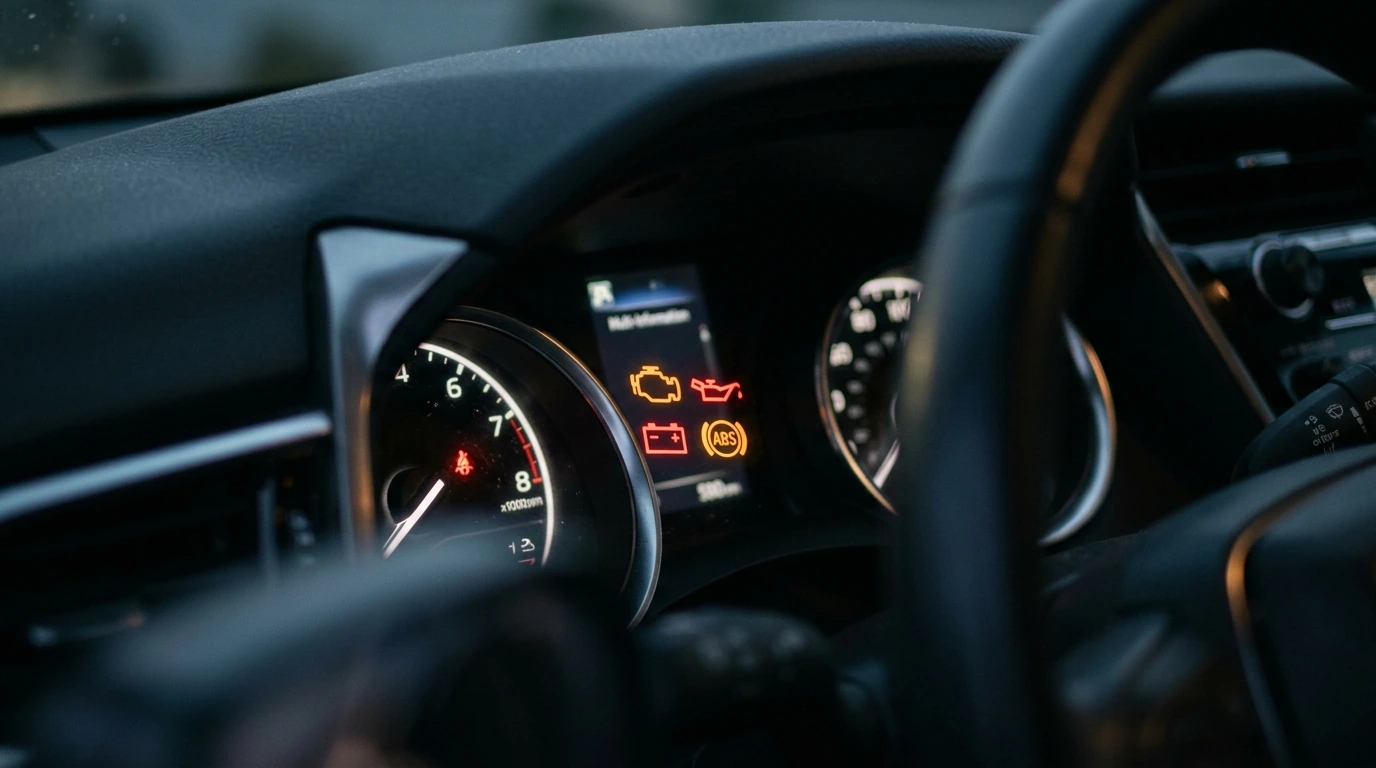
- Oil Pressure Warning: Shaped like an oil can. Indicates low engine oil pressure, which can lead to catastrophic engine damage. Severity: High.
- Battery/Charging System Warning: Shaped like a battery. Suggests a problem with the charging system (alternator, battery, or wiring). Your car is running on battery power only. Severity: High.
- Brake System Warning: An exclamation mark in a circle, or the word "BRAKE". Can mean low brake fluid, engaged parking brake, or a severe brake system malfunction. Severity: Extremely High.
- Coolant Temperature Warning: A thermometer icon. Indicates the engine is overheating, which can cause irreversible damage. Severity: High.
Yellow/Orange Lights: Caution and Check
These lights suggest a non-critical but important issue that needs attention soon, though not necessarily an immediate stop.
- Check Engine Light (CEL): Shaped like an engine. This generic warning can indicate anything from a loose gas cap to a serious engine or emissions system problem. Severity: Medium to High (depending on underlying cause).
- Tire Pressure Monitoring System (TPMS) Warning: Shaped like a flat tire with an exclamation mark. Indicates low tire pressure in one or more tires. Severity: Low to Medium.
- Anti-lock Braking System (ABS) Warning: The letters "ABS" in a circle. Means there's an issue with the ABS, though your regular brakes should still function. Severity: Medium.
- Traction Control/Stability Control Warning: Often a car skidding icon. Indicates a fault with the traction control system. Severity: Medium.
Immediate Action: When a Light Demands Attention
Knowing what to do when a warning light illuminates can prevent further damage or ensure your safety.

- Red Lights: Pull Over Safely. If a red light appears, find the nearest safe spot to pull off the road. Turn off the engine. Consult your owner's manual immediately to understand the specific light's meaning and recommended action. Do not continue driving if the manual advises against it, especially for oil pressure, brake, or overheating warnings.
- Yellow/Orange Lights: Assess and Plan. For yellow or orange lights, you generally don't need to stop immediately, but don't ignore them. Note the light, and when it's safe, consult your owner's manual. Schedule a diagnostic check with a trusted technician as soon as possible.
- Check Fluid Levels (If Applicable): For lights like low oil or coolant, once safely stopped and the engine cooled, you might be able to check and top off fluids if you have them on hand. However, this is a temporary measure, and the underlying cause still needs investigation.
- Tire Pressure: If the TPMS light comes on, check your tire pressures with a gauge and inflate to the manufacturer's recommended PSI (found on a sticker inside the driver's door jamb).
PRO CALLOUT NOTE: Owner's Manual is Your Best Friend!
Every vehicle's warning light system can have unique nuances. Always refer to your car's specific owner's manual for the most accurate and detailed information regarding any dashboard indicator. It's designed to be your primary resource for understanding what each symbol means and the manufacturer's recommended course of action.
Beyond the Quick Fix: Comprehensive Solutions
While some issues might have simple triage, most warning lights point to problems requiring a more thorough diagnosis and repair.
Professional Diagnostic Services
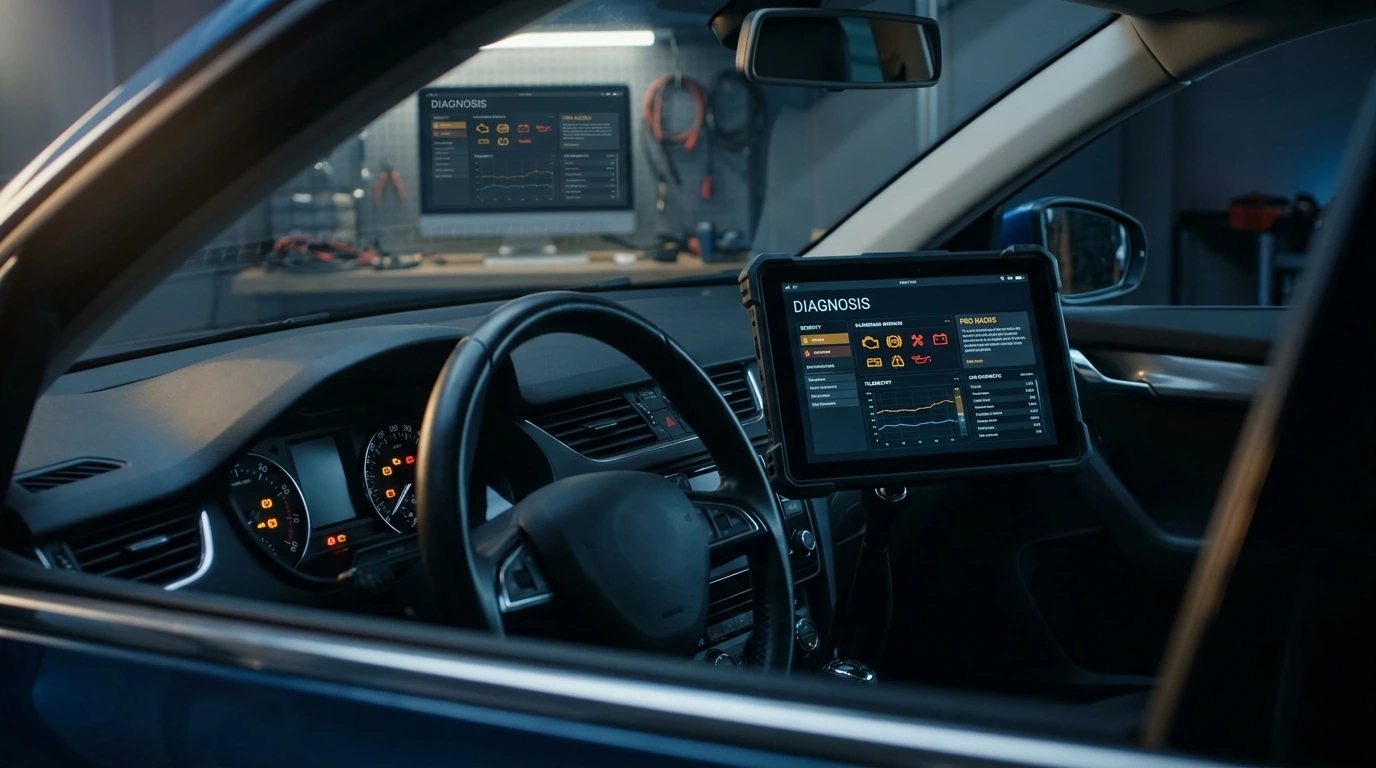
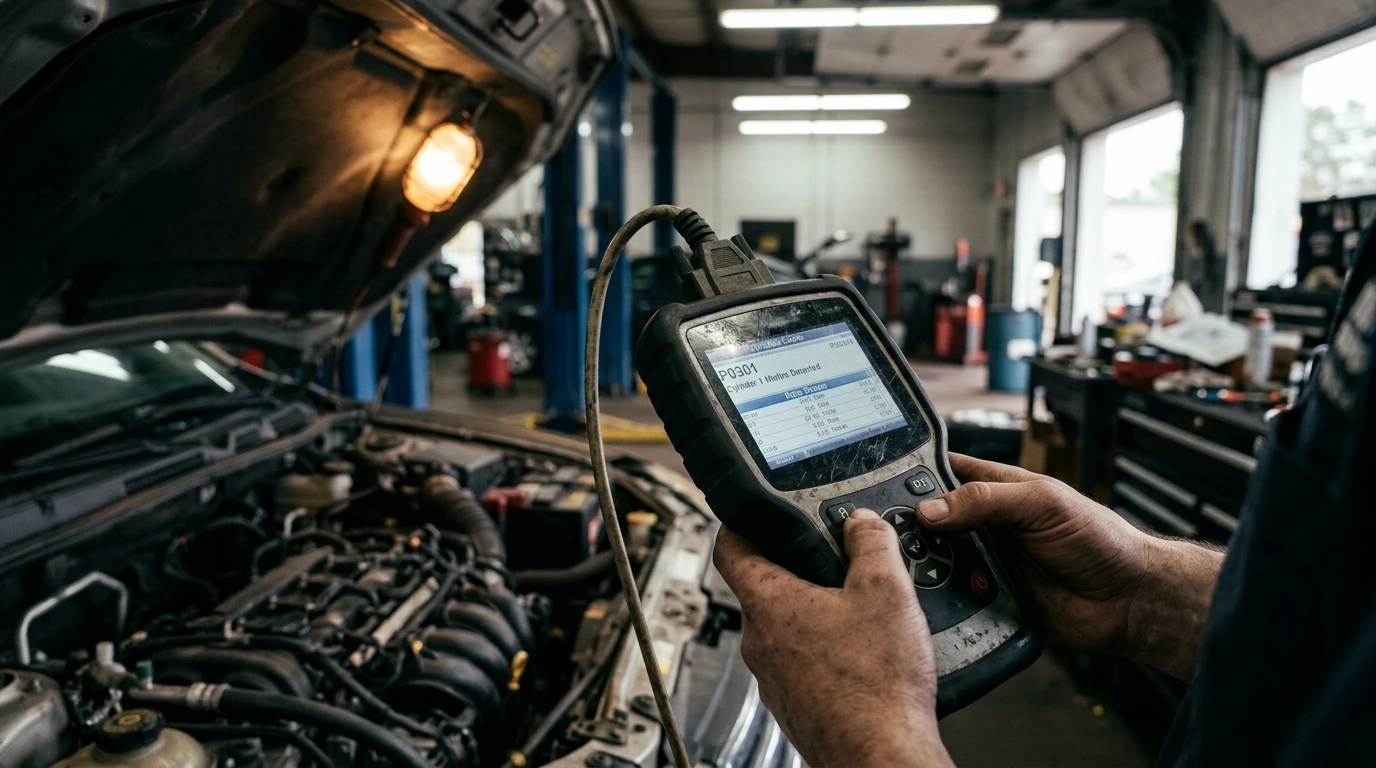
For persistent or critical warning lights, a professional diagnostic is essential. Technicians use specialized tools, like OBD-II (On-Board Diagnostics II) scanners, to retrieve specific trouble codes from your vehicle's computer. These codes pinpoint the exact system or component experiencing an issue, allowing for accurate repair.
For example, a "Check Engine" light might be triggered by a P0420 code, indicating a catalytic converter efficiency issue, or a P0301, signaling a misfire in cylinder 1. Without these codes, troubleshooting can be a guessing game.
Common Repair Workflows
- Engine Lights: Diagnosis often involves reading codes, inspecting sensors (oxygen sensors, MAF sensors), spark plugs, ignition coils, and emissions components.
- Brake Lights: Requires checking brake fluid levels, pad wear, rotor condition, and the ABS system's sensors and module.
- Battery/Charging Lights: Involves testing the battery's health, the alternator's output, and inspecting wiring and connections.
- TPMS Lights: May require checking tire pressure sensors, battery life within the sensors, or recalibration of the system.
Proactive Care: Keeping Your Dashboard Clear
Many warning lights can be avoided with consistent preventative maintenance.
- Follow Manufacturer's Service Schedule: Adhere to the maintenance intervals outlined in your owner's manual for oil changes, fluid checks, filter replacements, and major service items.
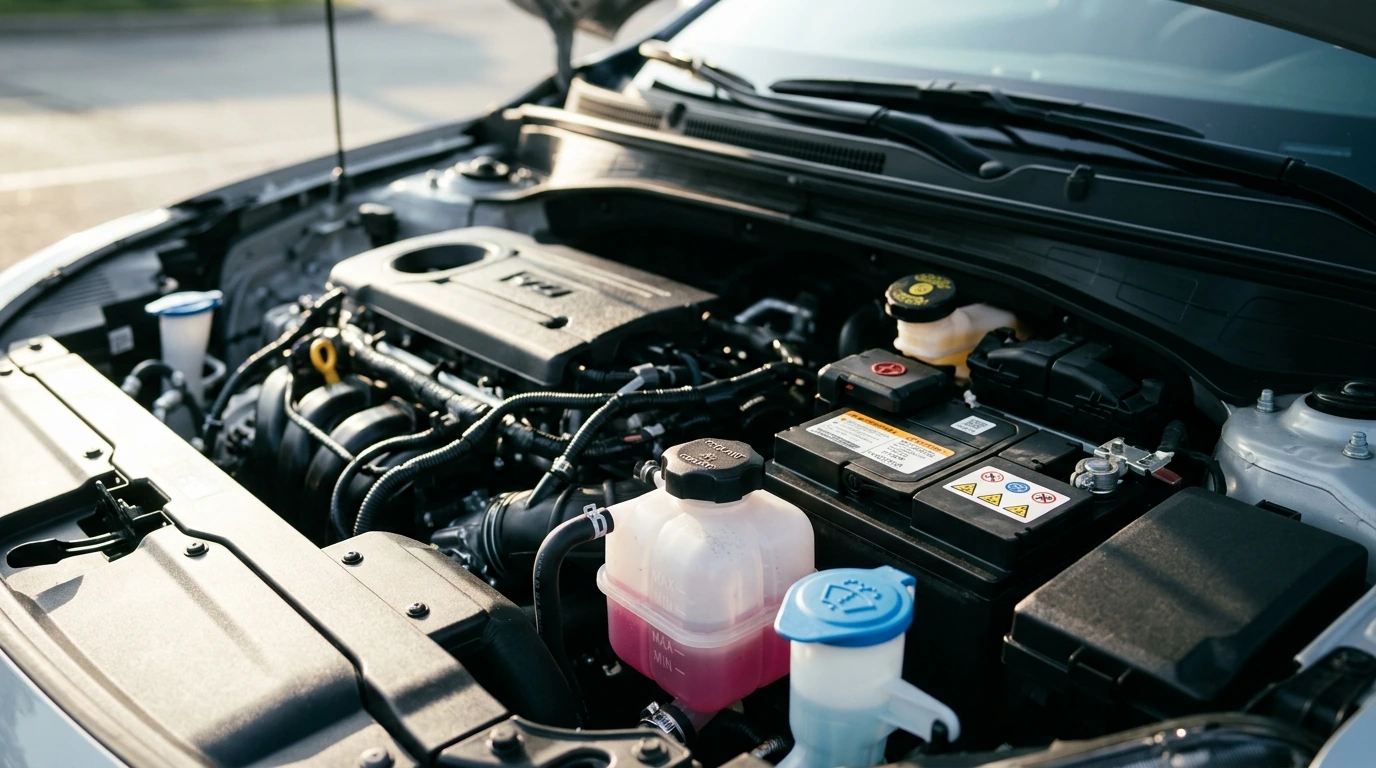
- Regular Fluid Checks: Periodically check engine oil, coolant, brake fluid, power steering fluid, and windshield washer fluid. Low levels can trigger warning lights and lead to system failures.
- Tire Maintenance: Regularly check tire pressure (weekly or bi-weekly) and inspect for uneven wear or damage. Proper inflation improves safety and fuel efficiency.
- Battery Health: Have your battery tested annually, especially before winter. Clean battery terminals to prevent corrosion.
- Listen to Your Car: Pay attention to unusual noises, smells, or changes in how your car drives. These can be early indicators of a problem before a light even appears.
Frequently Asked Questions
Q: Can I drive with the Check Engine Light on?
A: While you can often drive with the Check Engine Light on, it's not advisable for long. The light indicates an issue that could worsen over time, reduce fuel economy, or cause more severe damage. Get it diagnosed as soon as possible.
Q: What if a warning light flashes?
A: A flashing warning light typically indicates a more severe problem than a steady one. For example, a flashing Check Engine Light often signifies a severe engine misfire that could damage the catalytic converter. Pull over safely and seek immediate professional assistance.
Q: How do I reset a dashboard warning light?
A: Most warning lights will extinguish themselves once the underlying issue is resolved. Some, like the Check Engine Light, may require an OBD-II scanner to clear the code after a repair. However, simply resetting a light without fixing the problem will only mask the issue, which will likely reappear.