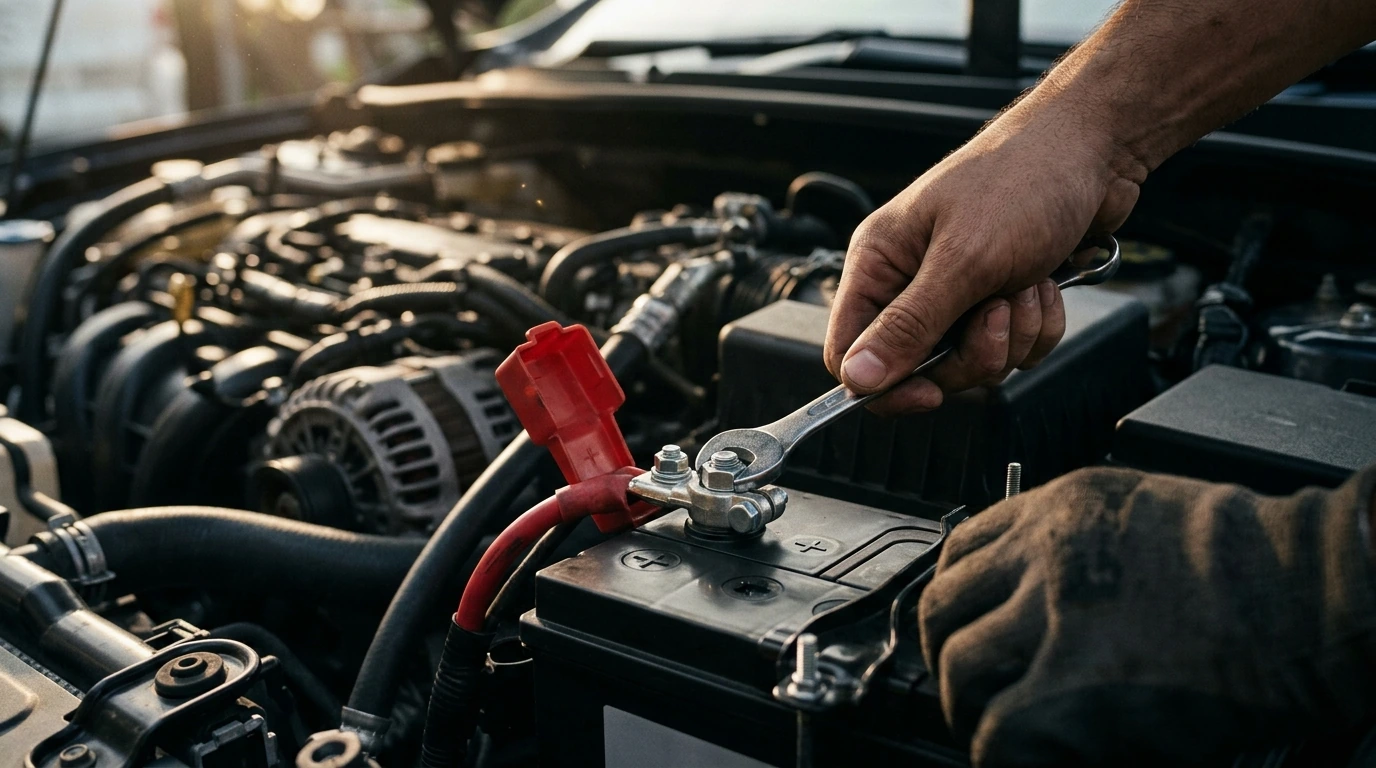
Has your vehicle been struggling to start, or are you noticing dimming lights and sluggish electronics? These are classic indicators that your car battery might be nearing the end of its service life. Swapping out a dead battery might seem daunting, especially for those new to automotive work, but it's a fundamental maintenance task that's entirely within the grasp of any DIY enthusiast with the right guidance and a few basic tools.
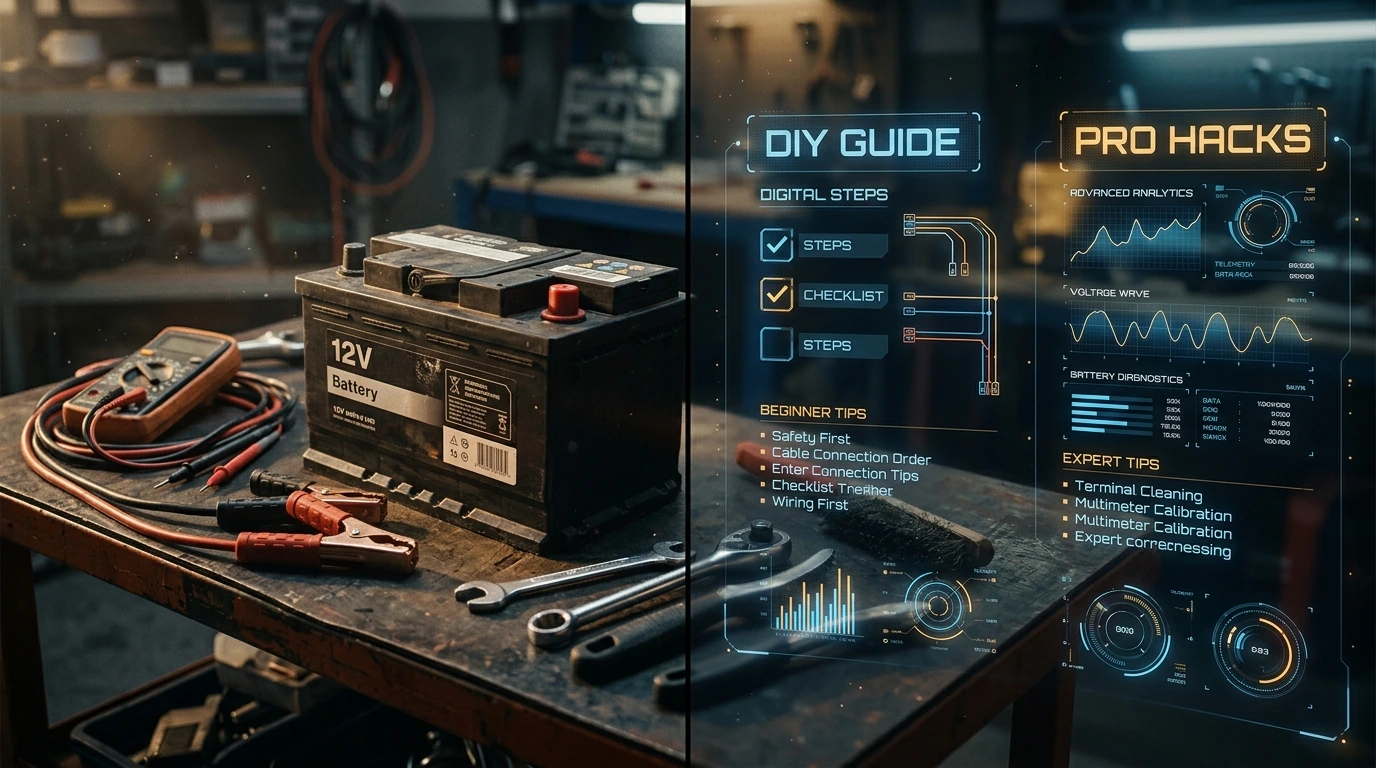
Getting Started: Why DIY Battery Replacement Matters
Undertaking your own car battery replacement offers several compelling advantages. Primarily, it's a significant cost-saver compared to professional installation, often reducing the overall expense by a considerable margin. Beyond the financial benefit, successfully completing this task builds confidence and provides a deeper understanding of your vehicle's basic systems. It's a foundational skill that empowers you to handle more routine maintenance in the future. The process itself, while requiring careful attention to safety, is relatively straightforward and can typically be completed in under an hour.
Understanding Your Battery: Types and Construction
Before you begin, it’s helpful to understand the type of battery your vehicle uses and its fundamental construction. Most modern passenger vehicles utilize 12-volt lead-acid batteries, though variations exist. These batteries generate electricity through a chemical reaction between lead plates and an electrolyte solution (sulfuric acid and water).
- Conventional Flooded Lead-Acid (SLA): These are the most common and often the most affordable. They contain liquid electrolyte that can evaporate, sometimes requiring periodic topping off with distilled water (though many modern versions are 'maintenance-free' or 'sealed').
- Absorbent Glass Mat (AGM): A more advanced lead-acid variant where the electrolyte is absorbed into fiberglass mats between the plates. AGMs offer better vibration resistance, faster charging, and are spill-proof, making them suitable for vehicles with start-stop technology or extensive electronics.
- Enhanced Flooded Battery (EFB): A hybrid technology often positioned between conventional flooded and AGM batteries. EFBs are designed for higher performance and durability than standard flooded batteries, particularly in start-stop applications, but are generally less expensive than AGMs.
Regardless of type, a battery's build quality is crucial for its longevity and performance. Look for robust casing, securely sealed terminals, and a reputable brand. Official specifications typically detail Cold Cranking Amps (CCA) – a measure of the battery's ability to start an engine in cold temperatures – and Reserve Capacity (RC), which indicates how long the battery can run essential accessories if the alternator fails.
The Replacement Process: A Step-by-Step Walkthrough
Replacing a car battery requires attention to detail and adherence to safety protocols. Here’s a general sequence of steps, assuming you have a replacement battery of the correct group size and CCA rating for your vehicle.
Essential Tools for the Job
Having the right equipment makes the process smoother and safer. Here's a quick overview of what you'll need:
| Tool | Primary Purpose | Typical Cost Range |
|---|---|---|
| Wrench Set (10mm, 13mm, or 1/2 inch) | Disconnecting terminal clamps, removing hold-down hardware | $20 - $60 |
| Battery Terminal Cleaner | Scrubbing corrosion from posts and clamps for optimal contact | $5 - $15 |
| Battery Carrier Strap or Handle | Safely lifting and maneuvering the heavy battery | $10 - $25 |
| Safety Glasses & Rubber Gloves | Protecting eyes and hands from acid and sparks | $5 - $20 |
| Wire Brush & Baking Soda Solution | Cleaning battery tray and neutralizing acid spills | <$10 |
Detailed Steps for a Smooth Swap
- Safety First: Ensure your vehicle is turned off, the parking brake is engaged, and the keys are removed from the ignition. Put on your safety glasses and gloves.
- Locate the Battery: Most batteries are under the hood, but some vehicles place them in the trunk or under a seat.
- Disconnect Negative Terminal: Using your wrench, loosen the nut on the negative (-) terminal clamp. Twist and pull the cable off the post. Secure it away from the battery to prevent accidental contact. This is always the first cable to disconnect to avoid short circuits.
- Disconnect Positive Terminal: Repeat the process for the positive (+) terminal. Again, secure the cable away from the battery.
- Remove Hold-Down Clamp: Locate and loosen or remove the clamp that secures the battery in its tray. This might be a top clamp, a bottom clamp, or a strap.
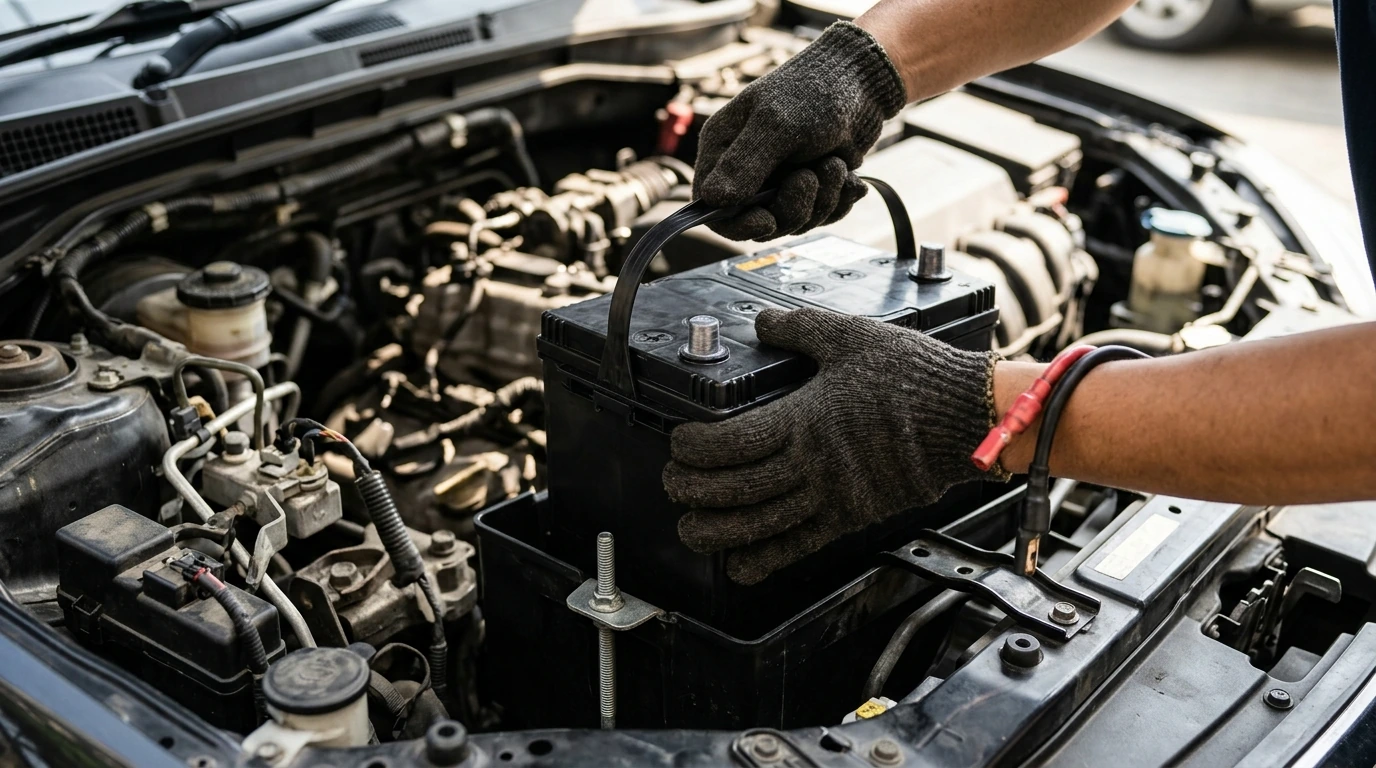
- Remove the Old Battery: Using a battery carrier or handle, carefully lift the old battery straight up and out of the engine bay. Car batteries are heavy, so lift with your legs, not your back.
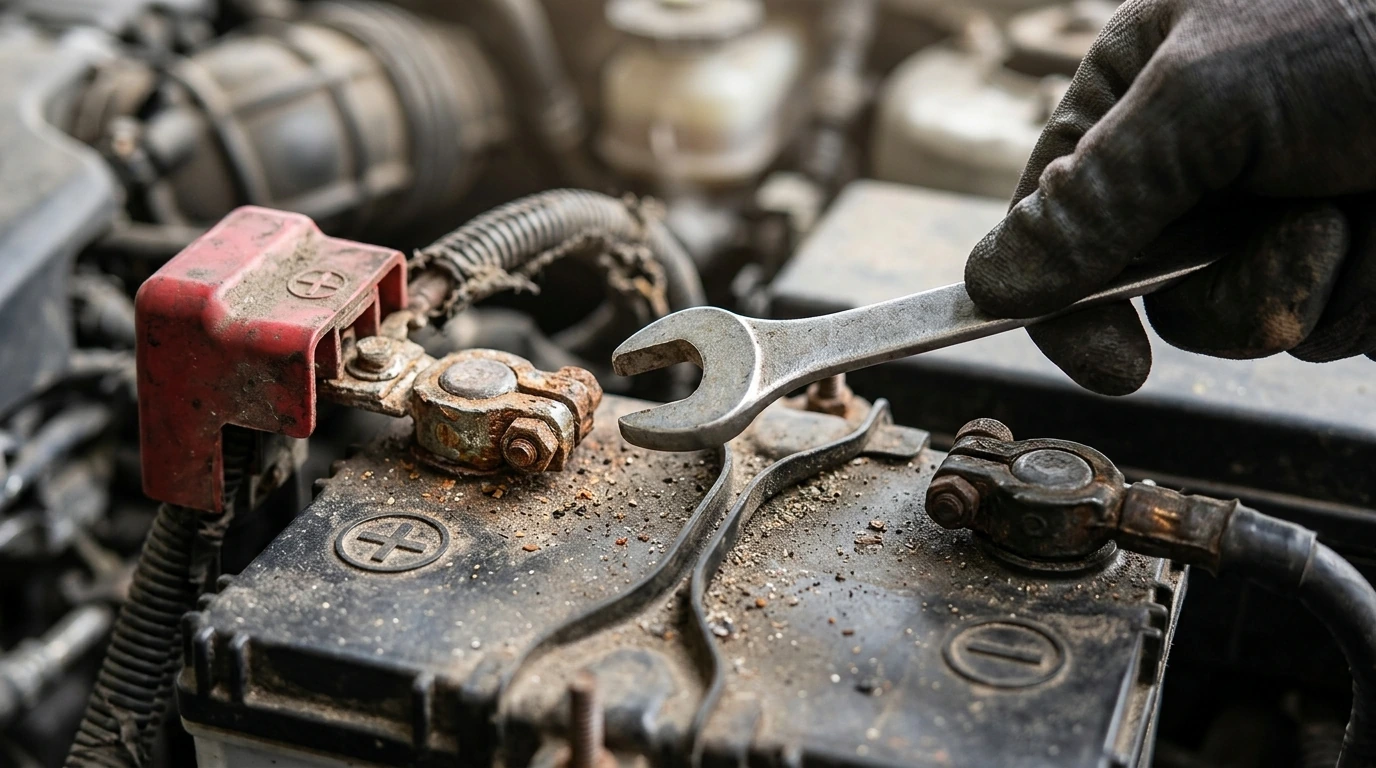
- Clean the Battery Tray: Inspect the battery tray and surrounding area for corrosion. Clean any white, powdery residue with a wire brush and a solution of baking soda and water (which neutralizes acid). Rinse with clean water and dry thoroughly.
- Place New Battery: Carefully lower the new battery into the cleaned battery tray, ensuring it's oriented correctly (positive to positive cable, negative to negative cable).
- Secure Hold-Down Clamp: Reinstall and tighten the battery hold-down clamp to prevent the battery from shifting during driving. Do not overtighten, as this can damage the battery case.
- Connect Positive Terminal: Attach the positive (+) cable to the positive (+) terminal post. Tighten the nut securely.
- Connect Negative Terminal: Attach the negative (-) cable to the negative (-) terminal post. Tighten the nut securely. This is always the last cable to connect.
- Apply Anti-Corrosion Grease (Optional): A thin layer of dielectric grease or anti-corrosion spray on the terminals can help prevent future corrosion.
- Test the Vehicle: Start your car to ensure everything is functioning correctly. Check dashboard lights and accessories.

PRO TIP: Battery Memory Saver
For modern vehicles with complex electronic systems, disconnecting the battery can sometimes erase radio presets, fault codes, or even affect engine computer settings. Consider using a 'memory saver' device, which plugs into the OBD-II port or a 12V accessory socket, to maintain a small current to the vehicle's electronics while the main battery is disconnected. This can save you from reprogramming headaches.
Weighing the Benefits and Challenges
While the DIY approach offers clear advantages, it's prudent to consider the potential drawbacks.
Advantages of Self-Replacement
- Cost Savings: Avoiding labor charges can save you a significant amount.
- Convenience: You can perform the replacement on your own schedule, without waiting for a service appointment.
- Educational Value: Gaining hands-on experience enhances your understanding of your vehicle.
- Empowerment: Successfully tackling a common automotive task boosts self-reliance.
Potential Hurdles
- Safety Risks: Batteries contain corrosive acid and can produce explosive hydrogen gas. Improper handling can lead to burns, short circuits, or even explosions.
- Weight: Car batteries are heavy (30-60+ lbs) and awkward to lift, posing a risk of injury if not handled correctly.
- Corrosion: Severely corroded terminals can be difficult to remove and may require extra effort and specific cleaning agents.
- Disposal: Old car batteries are hazardous waste and must be recycled properly. Many auto parts stores offer free recycling services.
- Vehicle Complexity: Some vehicles have batteries located in hard-to-reach places or require specific procedures for battery replacement (e.g., battery registration in some European models).
Making the Call: DIY vs. Professional Service
For most standard vehicles, a DIY battery replacement is a highly feasible and rewarding task for beginners. If you're comfortable following instructions, have the necessary tools, and prioritize safety, performing the swap yourself is an excellent choice. The savings and satisfaction make it worthwhile.
However, there are scenarios where professional assistance is advisable:
- Extreme Corrosion: If the terminals are so corroded they are fused or crumbling, a professional might have specialized tools or techniques to handle it safely.
- Unusual Battery Location: Some vehicles have batteries in very confined or complex locations that require extensive disassembly.
- Battery Registration: Certain luxury or performance vehicles require the new battery to be 'registered' with the car's computer system using specialized diagnostic tools. Failing to do so can lead to improper charging and reduced battery life.
- Lack of Confidence or Tools: If you're genuinely uncomfortable with the process or lack the basic tools and safety gear, a professional service is the safer option.
Ultimately, the decision rests on your comfort level and the specific demands of your vehicle. For the vast majority of drivers, tackling a battery replacement is a practical step towards greater automotive independence.