
Knowing when to change your car's engine oil is a foundational aspect of vehicle ownership, directly impacting its longevity and performance. For many new drivers and DIY enthusiasts, the exact timing can feel like a moving target, often obscured by conflicting advice or outdated information. This guide aims to clarify the modern consensus and manufacturer recommendations, helping you maintain your vehicle with confidence.
Deciphering Your Vehicle's Oil Change Schedule
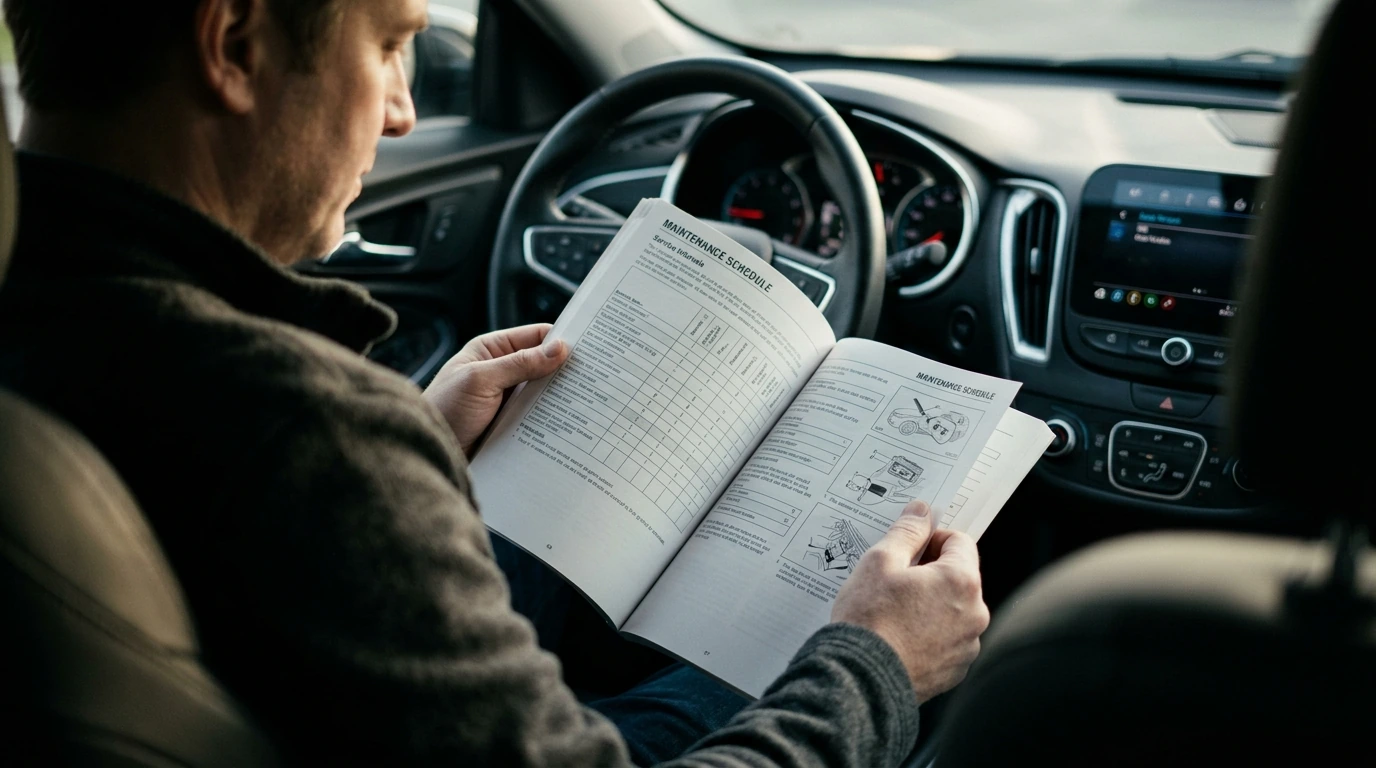
The most accurate source for your car's oil change frequency is always its owner's manual. This document contains specific recommendations from the manufacturer, tailored to your vehicle's engine type, oil capacity, and intended use. Modern vehicles, especially those utilizing full synthetic oils, often have much longer intervals than the traditional 3,000-mile rule of thumb.
Beyond the manual, several factors influence how often your oil needs changing:
- Oil Type: Conventional oil typically requires more frequent changes than synthetic or synthetic blend oils.
- Driving Conditions: "Severe" driving conditions (frequent short trips, extreme temperatures, heavy towing, dusty environments, stop-and-go traffic) accelerate oil degradation, necessitating shorter intervals. "Normal" driving allows for longer intervals.
- Vehicle Age and Mileage: Older engines or those with high mileage might benefit from more frequent changes, even if using synthetic oil, to combat increased wear and potential oil consumption.
- Oil Life Monitoring Systems: Many contemporary vehicles feature an Oil Life Monitoring (OLM) system. This intelligent system tracks various parameters like engine revolutions, temperature, and operating conditions to calculate oil degradation and alert you when a change is due. Trusting your OLM is generally a reliable approach.
Understanding Motor Oil Types and Their Lifespans
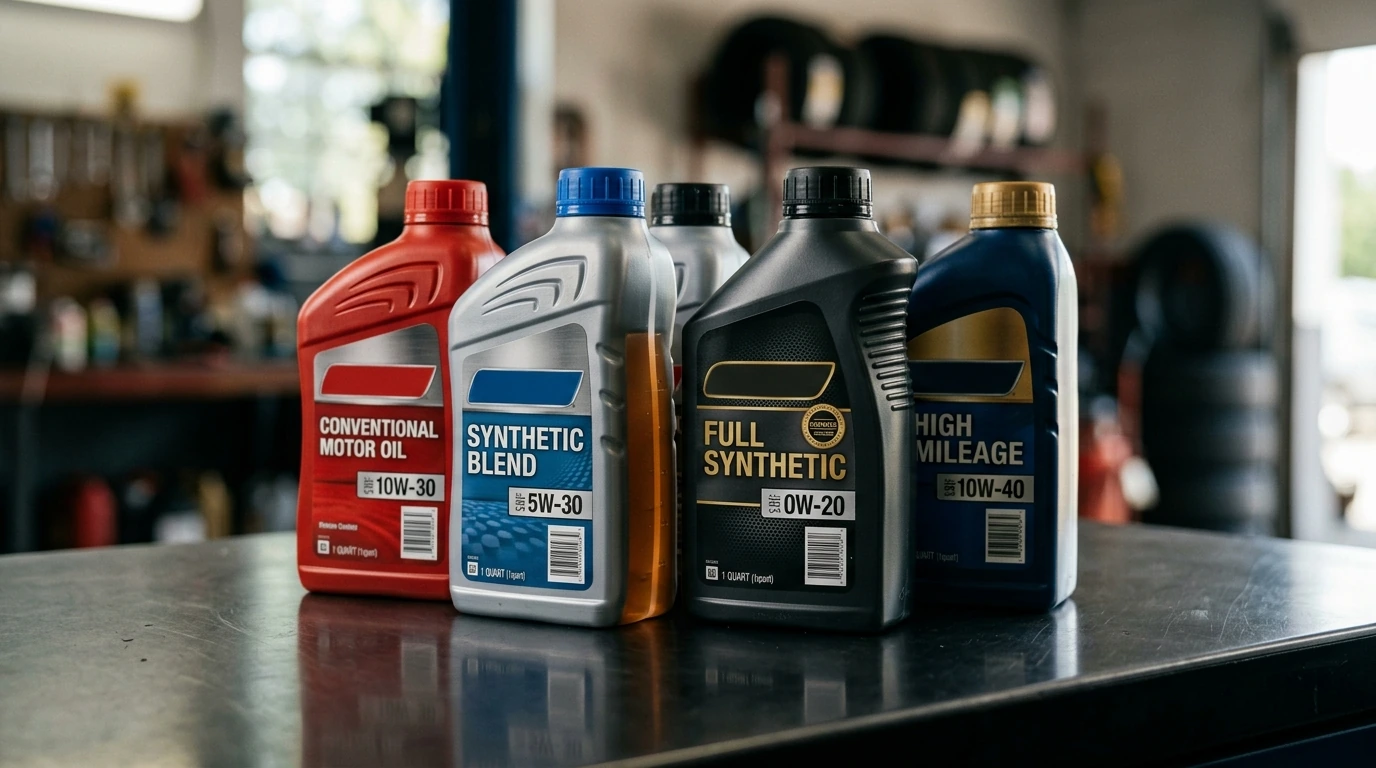
The type of motor oil you use has a direct correlation with its recommended service interval. Selecting the correct oil, as specified in your owner's manual, is paramount for engine protection.
| Oil Type | Typical Change Interval (Miles) | Key Characteristics |
|---|---|---|
| Conventional Oil | 3,000 - 5,000 | Derived from crude oil, suitable for older engines or those with less demanding requirements. Offers basic protection. |
| Synthetic Blend Oil | 5,000 - 7,500 | A mix of conventional and synthetic base oils. Provides enhanced protection and performance over conventional oil at a lower cost than full synthetic. |
| Full Synthetic Oil | 7,500 - 15,000+ | Chemically engineered for superior performance, extreme temperature stability, and extended drain intervals. Often required for modern, high-performance engines. |
These intervals are general guidelines. Always cross-reference with your vehicle manufacturer's specific recommendations, which may vary. For instance, some manufacturers specify full synthetic oil and recommend changes every 10,000 miles or 12 months, whichever comes first, under normal driving conditions.
Essential Tools and Preparations for an Oil Change
While this guide focuses on the 'how often,' understanding the basic requirements for the 'how-to' is beneficial. If you plan to tackle this yourself, gather these items:
- New Motor Oil: Ensure it matches the viscosity and specifications (e.g., API, ACEA standards) listed in your owner's manual.
- New Oil Filter: Specific to your vehicle's make and model.
- Oil Filter Wrench: To remove the old filter.
- Drain Pan: To collect the old oil.
- Socket Wrench Set: For the drain plug.
- Funnel: For adding new oil.
- Jack and Jack Stands (or Ramps): For safe vehicle elevation.
- Gloves and Rags: For cleanliness and safety.
- Safety Glasses: Eye protection is always recommended.
Before starting, ensure your engine is warm (not hot), as this allows the oil to drain more thoroughly. Always work on a level surface and use proper safety equipment.
PRO TIP: Always Check Your Oil Level Regularly
Even with extended oil change intervals, it's prudent to check your engine's oil level at least once a month, or before long trips. This simple habit can alert you to potential leaks or consumption issues before they become serious problems. Consult your owner's manual for the correct procedure for checking the oil level, typically done on a level surface with the engine off and cool.
Avoiding Common Mistakes in Oil Maintenance
Several missteps can compromise your engine's health despite your best intentions:
- Ignoring the Owner's Manual: Relying solely on outdated advice (like the blanket 3,000-mile rule) can lead to either premature changes (wasting money) or, more critically, extending intervals beyond what your manufacturer recommends for your specific oil type, leading to engine wear.
- Using the Wrong Oil Type: Incorrect viscosity or specification can lead to inadequate lubrication, increased friction, and potential engine damage. Always match the oil to the manufacturer's specification.
- Overfilling or Underfilling Oil: Both scenarios are detrimental. Overfilling can cause aeration of the oil, reduced lubrication, and potential seal damage. Underfilling leads to insufficient lubrication and increased wear. Always fill to the recommended level on the dipstick.
- Neglecting the Oil Filter: The filter is as crucial as the oil. A clogged or old filter cannot effectively remove contaminants, allowing them to circulate and damage engine components. Always replace the filter with every oil change.
- Not Disposing of Used Oil Properly: Used motor oil is a hazardous waste. Never pour it down a drain or dispose of it in regular trash. Most auto parts stores and service centers offer oil recycling services.
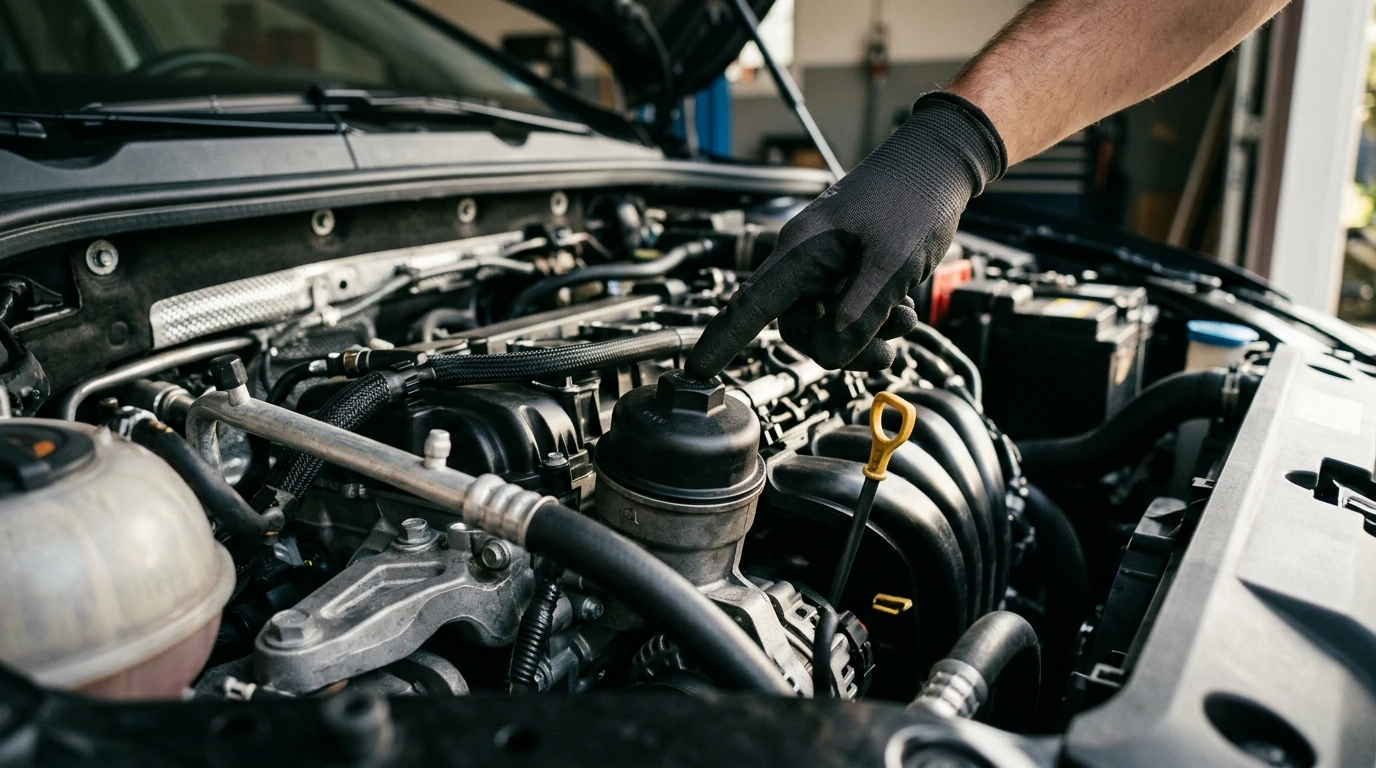
Post-Service Verification: Ensuring Engine Health
After an oil change, whether performed by you or a technician, a few checks confirm everything is in order:
- Check for Leaks: After running the engine for a few minutes, inspect the drain plug and oil filter area for any drips or leaks.
- Verify Oil Level: Allow the engine to cool for a few minutes, then check the oil level with the dipstick. Adjust if necessary, ensuring it's within the "full" range.
- Reset Oil Life Monitor: If your vehicle has an OLM system, reset it according to your owner's manual instructions. This ensures accurate tracking for the next service interval.
- Note Mileage: Record the date and mileage of the oil change for future reference.
High-Duty Commercial Vehicle Engine Parts: The 2026 Fleet Procurement & Technical Guide →
Frequently Asked Questions About Oil Changes
Q: Is it okay to go longer than the recommended oil change interval?
A: It is generally not recommended to exceed the manufacturer's specified interval. While modern oils offer extended protection, pushing them beyond their engineered lifespan can lead to increased engine wear, sludge buildup, and reduced performance.
Q: Can I mix different types of motor oil?
A: Mixing different types of oil (e.g., conventional and synthetic) is generally discouraged. While it might not cause immediate damage, it can dilute the beneficial properties of the higher-grade oil and may not provide the optimal protection your engine requires.
Q: What does "severe driving conditions" mean?
A: Severe driving conditions typically include frequent short trips (less than 5-10 miles), extensive idling, driving in extreme hot or cold temperatures, towing heavy loads, or driving in dusty environments. If your driving habits align with these, you should follow the "severe service" oil change schedule in your owner's manual.
Q: Does the brand of oil matter?
A: While many reputable brands produce high-quality oils, the most critical factor is that the oil meets the specifications (viscosity, API/ACEA standards) outlined in your vehicle's owner's manual. As long as it meets these criteria, the specific brand is often a matter of personal preference or availability.