
Ensuring your vehicle's tires are in optimal condition is paramount for safety, fuel efficiency, and extending tire lifespan. Neglecting these simple checks can lead to compromised handling, increased braking distances, and unnecessary wear, costing you more in the long run.
Understanding how to accurately assess both tire pressure and tread depth empowers you to make informed decisions about your car's maintenance, preventing potential issues before they escalate into significant problems.
Why Consistent Tire Monitoring Is Crucial
Regularly checking your tires isn't just a recommendation; it's a fundamental aspect of responsible vehicle ownership. Correct tire pressure ensures the tire's contact patch with the road is optimized, distributing weight evenly and maximizing grip. This directly impacts your car's handling characteristics, especially during cornering and emergency braking.
Under-inflated tires generate excessive heat, increasing the risk of a blowout, while over-inflated tires reduce the contact patch, leading to premature wear and a harsher ride. Similarly, adequate tread depth is vital for channeling water away from the tire, preventing hydroplaning in wet conditions. As tread wears down, this ability diminishes significantly, compromising safety.
Essential Tools for Accurate Tire Assessment
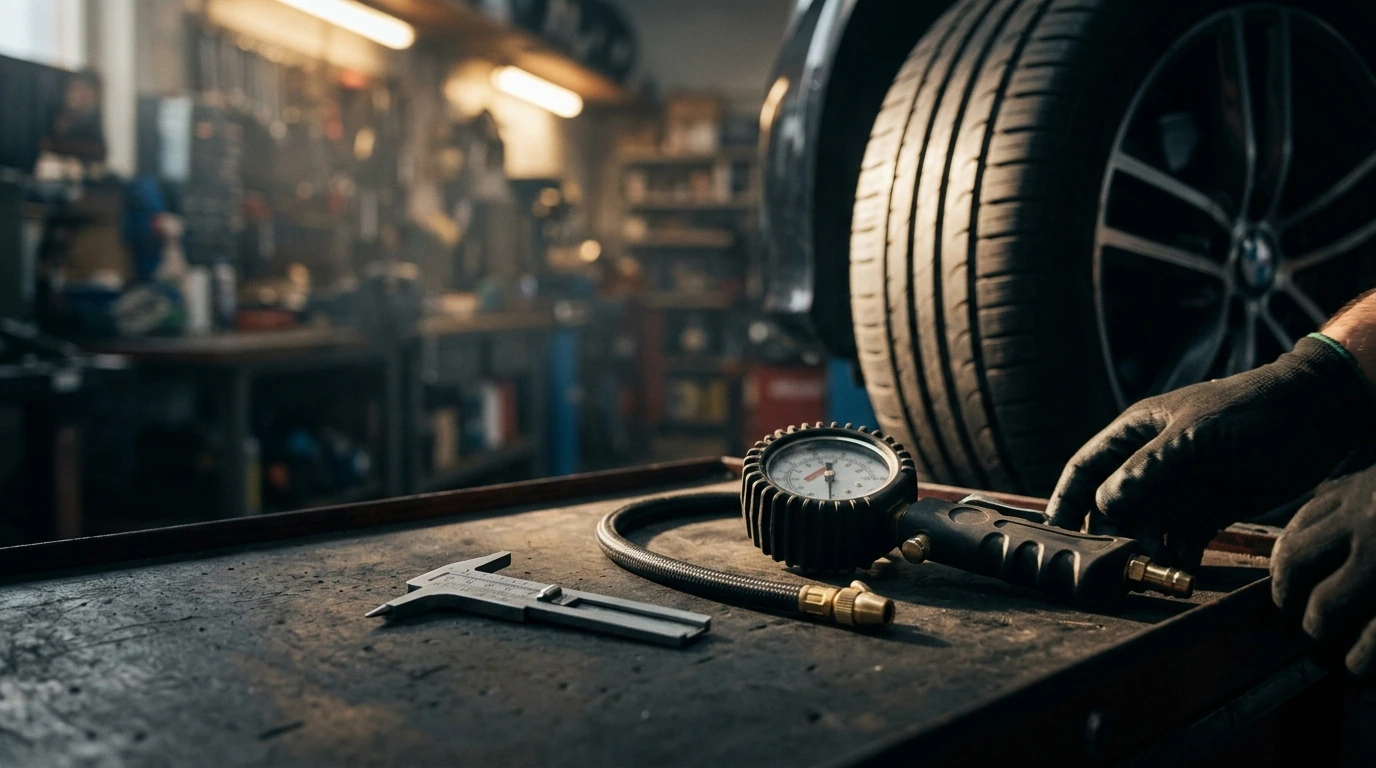
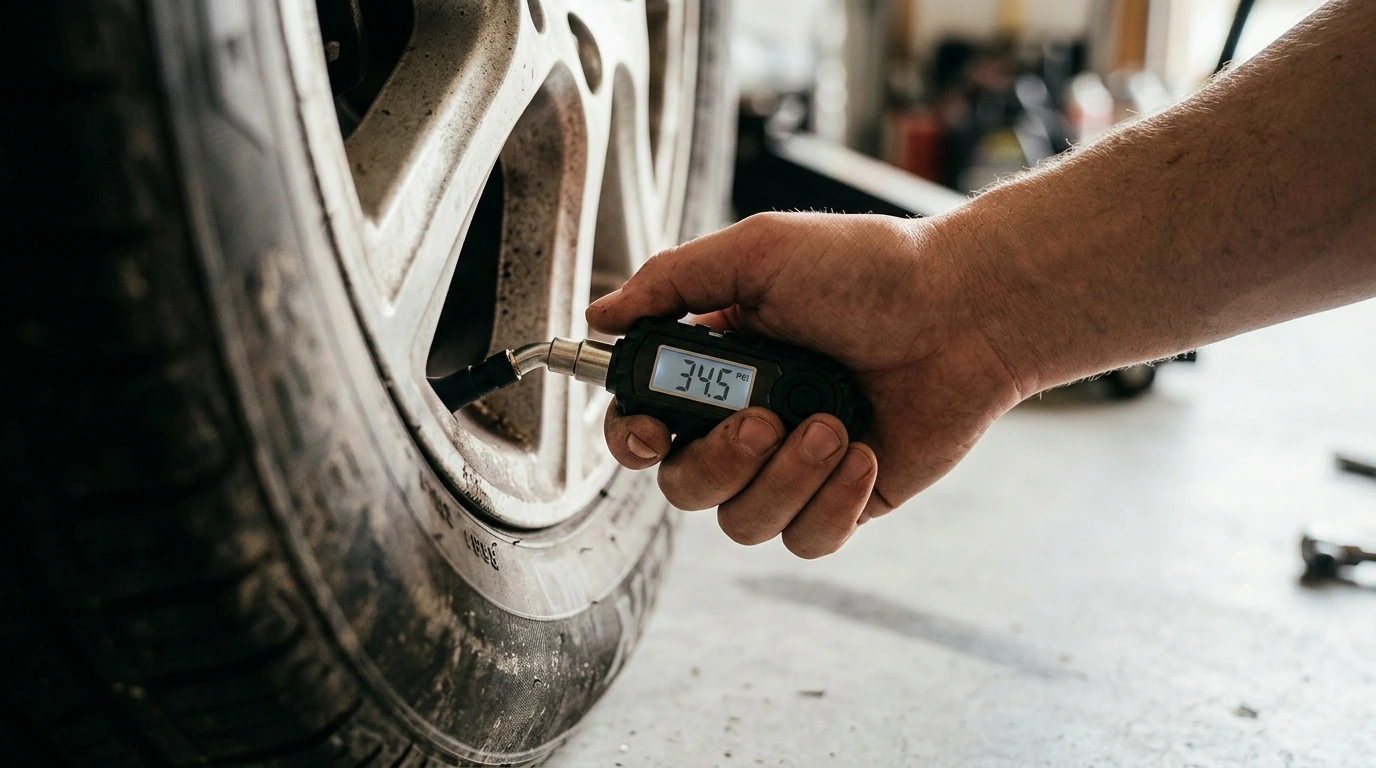
To perform these checks effectively, you'll need a few basic, readily available tools. For tire pressure, a reliable gauge is indispensable. Options range from traditional stick gauges, which are simple and robust, to more precise digital gauges that offer clear, easy-to-read displays. Digital gauges often provide readings within +/- 0.5 PSI, offering excellent accuracy for most users.
For tread depth, a dedicated tread depth gauge offers the most accurate measurement, typically showing readings in 32nds of an inch or millimeters. Alternatively, a common penny can serve as a quick, albeit less precise, indicator. Both types of tools are generally constructed from durable plastics or metals, designed for repeated use in various environmental conditions.
Your Hands-On Guide to Tire Inspections
Checking Tire Pressure
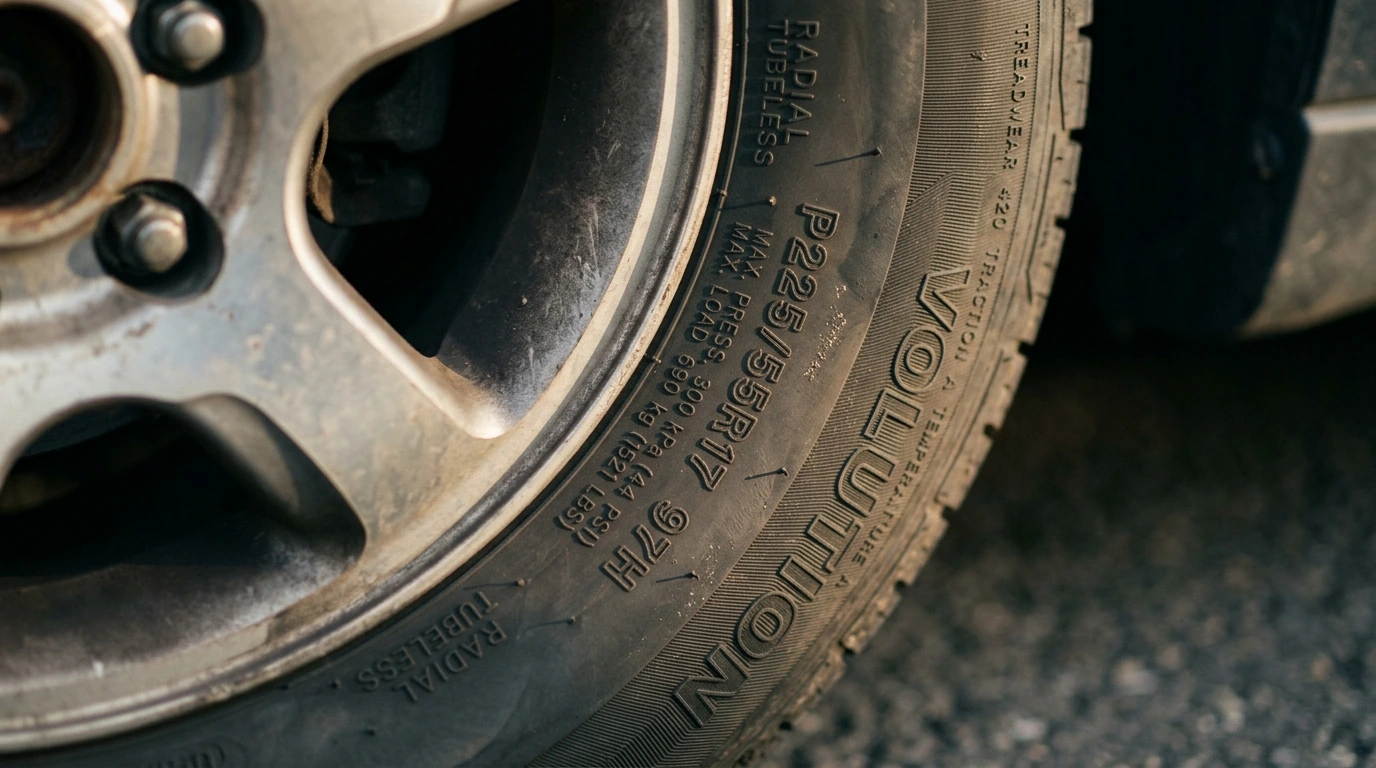
- Locate Recommended Pressure: Refer to your car's owner's manual or the sticker typically found on the driver's side door jamb. This sticker specifies the recommended cold tire pressure (PSI) for your vehicle, not the maximum pressure listed on the tire sidewall.
- Ensure Tires Are Cold: For the most accurate reading, check tire pressure when the tires are 'cold' – meaning the car hasn't been driven for at least three hours, or for less than a mile at moderate speed.
- Remove Valve Cap: Unscrew the cap from the tire's valve stem.
- Attach Gauge: Firmly press the tire pressure gauge onto the valve stem. You'll hear a brief hiss of air; this is normal. Hold it steady until the gauge provides a reading.
- Read the Pressure: Note the reading. If it's below the recommended PSI, add air until it matches. If it's too high, gently press the small pin in the center of the valve stem to release air, then recheck.
- Replace Valve Cap: Once the correct pressure is achieved, replace the valve cap to prevent dirt and moisture from entering the valve.
Assessing Tread Depth
- Identify Main Grooves: Focus on the main circumferential grooves of the tire, not the smaller sipes or shoulder blocks.
- Use a Tread Depth Gauge: Insert the probe of the gauge into one of the main grooves, ensuring it's perpendicular to the tread. Push the shoulder of the gauge flush with the tread block. Read the measurement indicated.
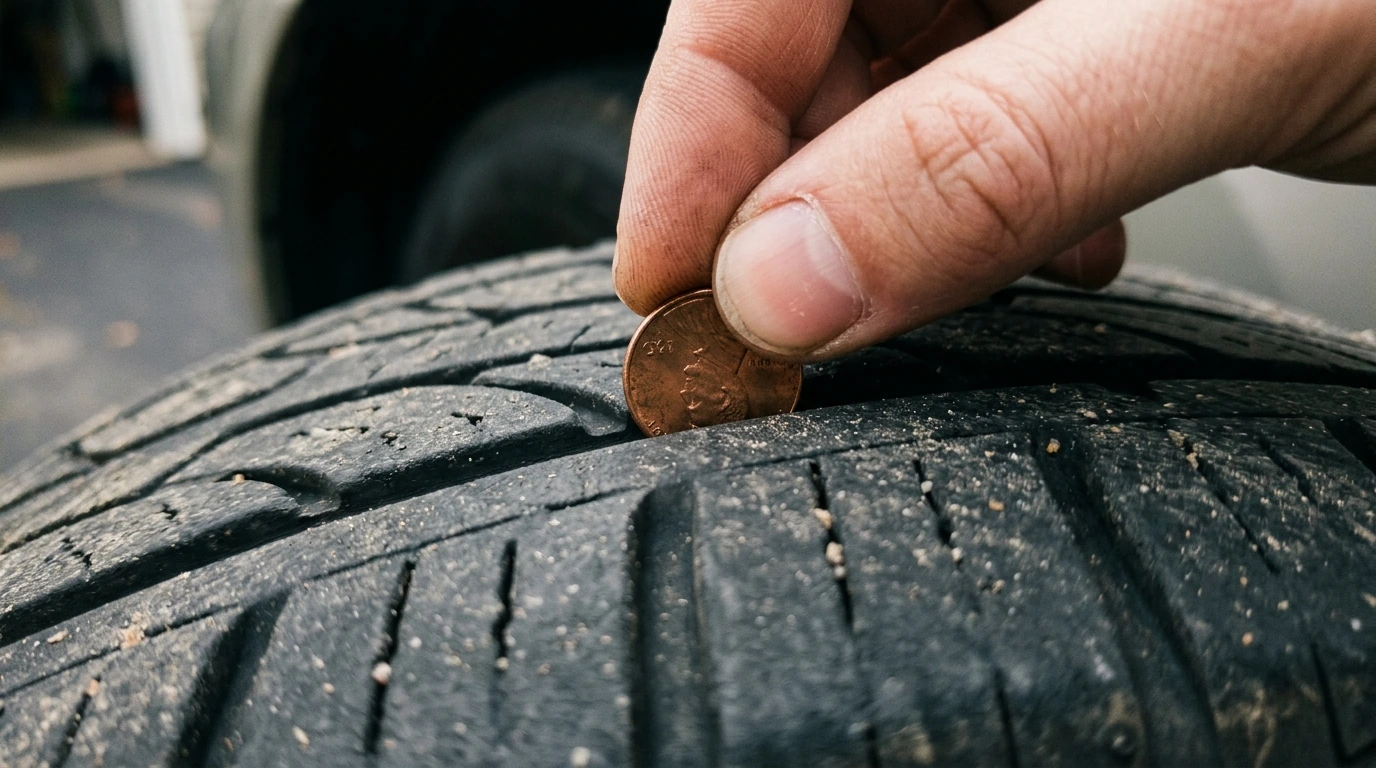
- The Penny Test (Alternative): If a dedicated gauge isn't available, insert a penny into a tread groove with Lincoln's head upside down and facing you. If you can see the top of Lincoln's head, your tread depth is likely below the legal minimum of 2/32nds of an inch, and the tire should be replaced.
- Check Multiple Spots: Repeat the tread depth check at several points around each tire, as wear can be uneven. Also, check across the width of the tire (inner, middle, outer sections).
The Benefits of Diligence vs. The Risks of Neglect
The advantages of routine tire checks are substantial. Proper inflation can improve fuel economy by up to 3.3%, according to reports from the U.S. Department of Energy. It also ensures even tire wear, meaning your tires last longer, delaying the need for costly replacements. More critically, correctly maintained tires provide optimal traction and braking performance, directly contributing to occupant safety.
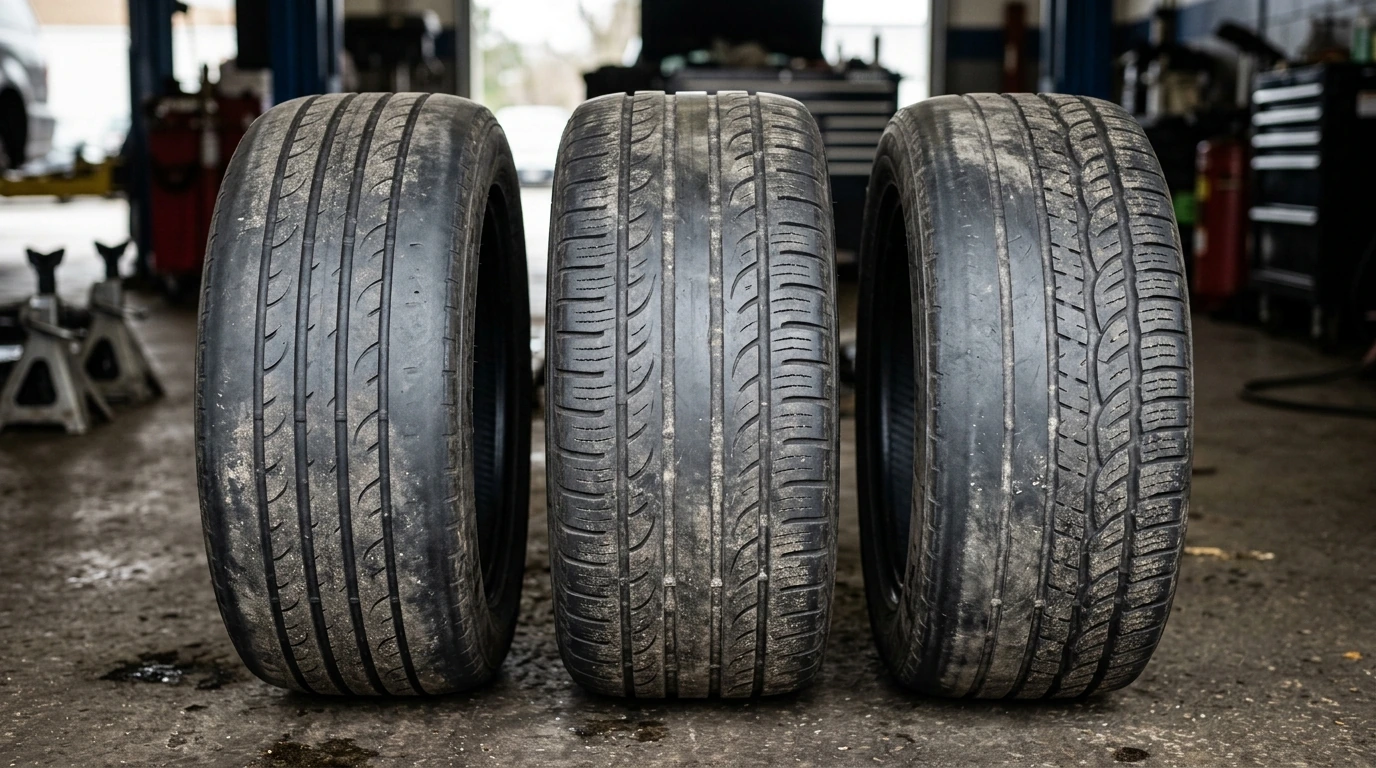
Conversely, neglecting these basic checks carries significant risks. Under-inflation is a leading cause of tire failure, including tread separation and blowouts, which can lead to loss of vehicle control. Poor tread depth severely compromises wet-weather grip, increasing the likelihood of hydroplaning. Uneven wear, often a symptom of incorrect pressure or alignment issues, can also lead to premature tire failure and reduced vehicle stability.
Maintaining Optimal Tire Performance: Key Takeaways and Next Steps
Taking a few minutes each month to check your car's tire pressure and tread depth is a small investment of time that yields significant returns in safety, performance, and cost savings. These routine inspections are straightforward and require minimal tools, making them accessible to any car owner.
By consistently adhering to manufacturer recommendations for tire pressure and monitoring tread wear, you ensure your vehicle operates at its best, providing a safer and more economical driving experience. Make these checks a regular part of your vehicle maintenance schedule to enjoy peace of mind on every journey.