
Getting behind the wheel for the first time is exhilarating, but owning a car also brings responsibilities. Understanding basic vehicle maintenance isn't just about keeping your car running; it's fundamental to your safety, extending your vehicle's lifespan, and avoiding costly repairs down the line. As an experienced automotive mechanic, I've seen countless issues that could have been prevented with a little proactive care. This guide outlines ten essential tasks every new driver should know to confidently manage their vehicle's health.
Key Takeaways
- Regular checks of tires, fluids, and lights are crucial for safety and vehicle longevity.
- Consult your owner's manual for specific maintenance schedules and fluid types.
- Proactive maintenance helps prevent breakdowns and reduces long-term ownership costs.
- Empower yourself by understanding basic vehicle systems and knowing when to seek professional help.
1. Keeping Tabs on Tire Pressure and Tread Depth
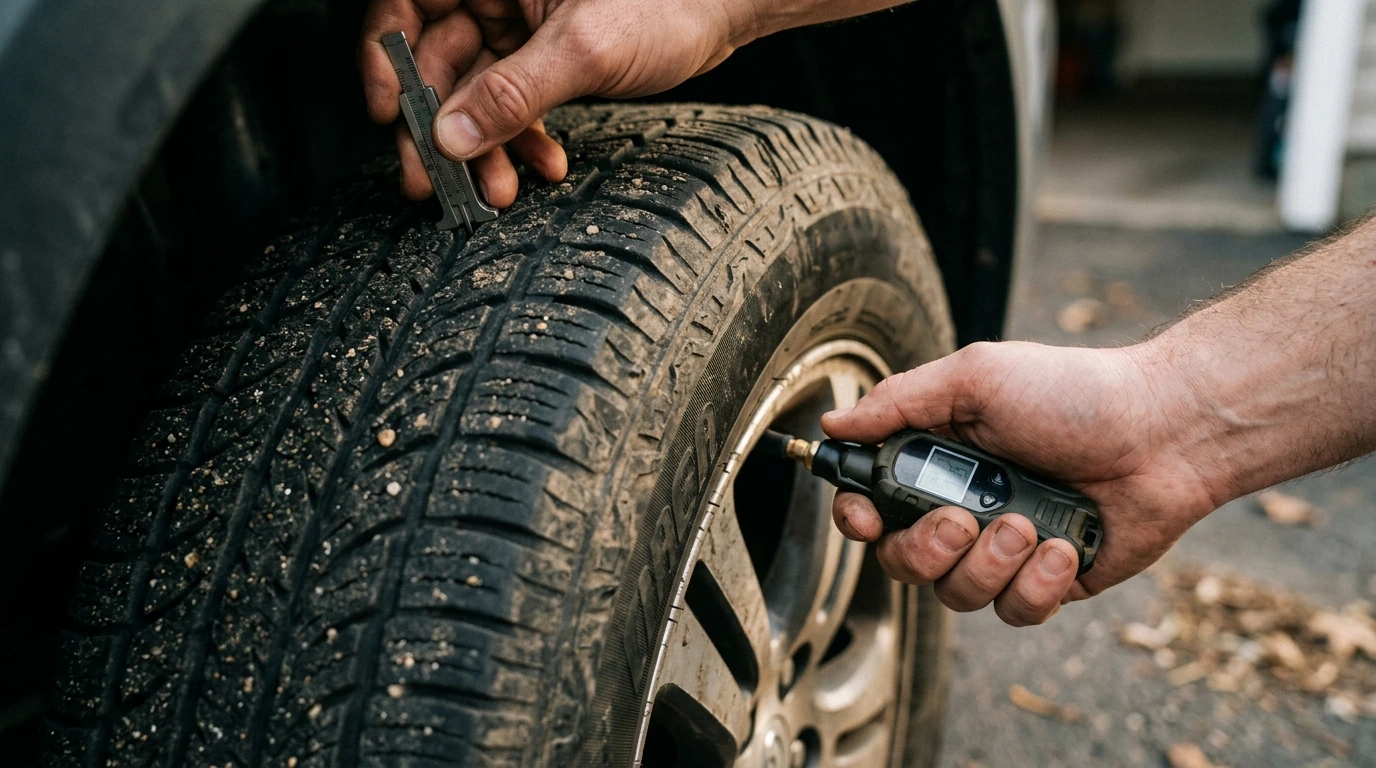
Your tires are the only part of your car that actually touches the road, making their condition paramount for safety and fuel efficiency. Under-inflated tires can lead to poor handling, increased fuel consumption, and premature wear, while over-inflation can reduce traction and accelerate wear on the tire's center. Checking your tire pressure weekly or bi-weekly is a simple habit that yields significant benefits.
The recommended tire pressure can be found on a sticker inside your driver's side door jamb or in your owner's manual. Use a reliable tire pressure gauge when the tires are cold (before driving). Simultaneously, keep an eye on your tire tread depth. The 'penny test' is a widely recognized method: insert a penny into a tread groove with Lincoln's head upside down and facing you. If you can see the top of Lincoln's head, your treads are likely too shallow, indicating it's time for new tires.
2. Engine Oil: The Lifeblood of Your Vehicle
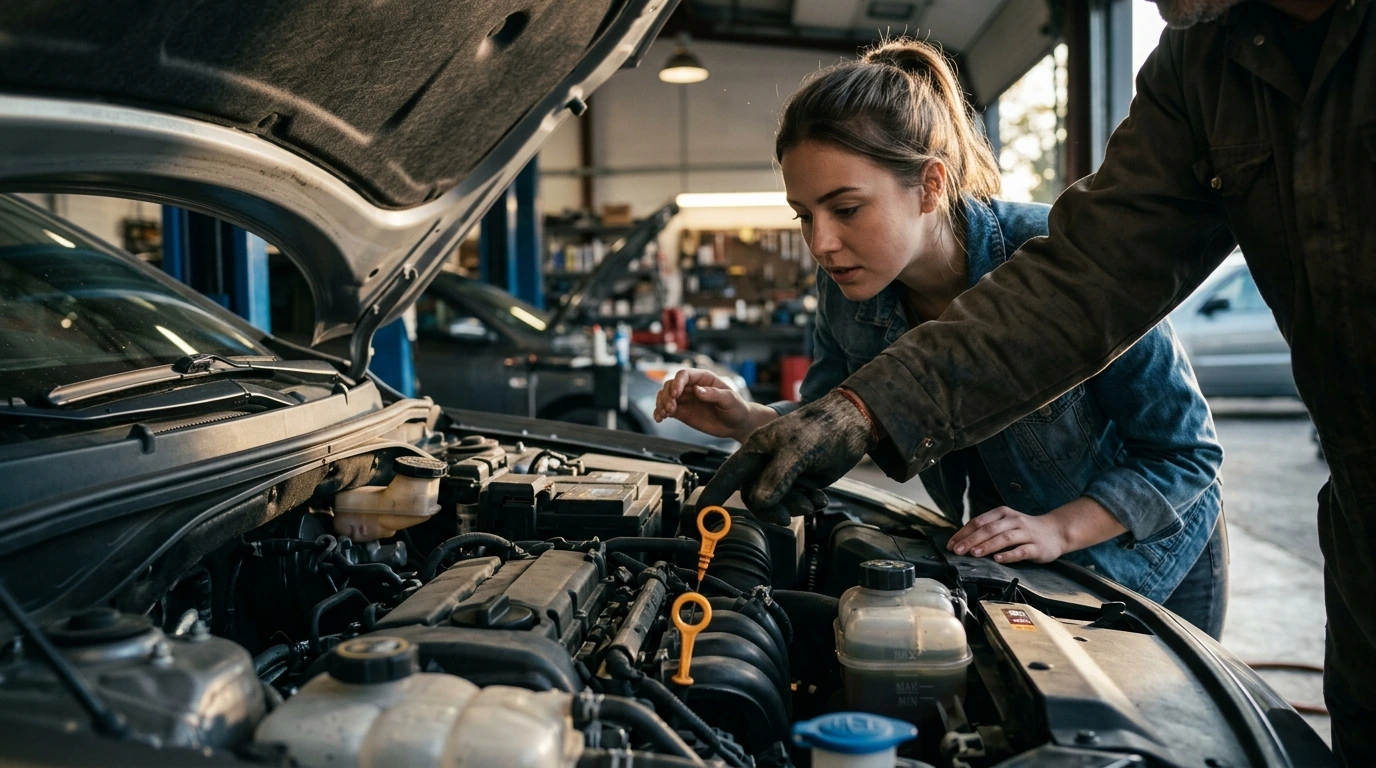
Engine oil lubricates moving parts, reduces friction, and helps dissipate heat. Checking your oil level regularly, typically once a month or before a long trip, is straightforward. Your owner's manual will detail the exact procedure, but generally, you'll locate the dipstick (often with a brightly colored handle), pull it out, wipe it clean, reinsert it fully, then pull it out again to read the oil level. The level should fall between the 'full' and 'add' marks.
Oil changes are equally vital. The frequency varies by vehicle make, model, and the type of oil used (conventional, synthetic blend, or full synthetic). Modern vehicles often have maintenance reminders based on mileage or driving conditions. Adhering to these recommendations, or those in your owner's manual, ensures your engine remains well-protected.
3. Monitoring Essential Fluid Levels
Beyond engine oil, several other fluids are critical for your car's proper operation. These include coolant (antifreeze), brake fluid, power steering fluid (if applicable), and windshield washer fluid. Each has a dedicated reservoir, usually clear or translucent, with 'min' and 'max' markings.
Coolant prevents your engine from overheating and freezing. Brake fluid is essential for your braking system's hydraulic function. Power steering fluid assists with steering ease. Windshield washer fluid helps maintain clear visibility. Checking these monthly allows you to spot potential leaks or low levels before they become serious problems.
Pro Tip: Owner's Manual is Your Best Friend
Always consult your vehicle's owner's manual for precise fluid specifications, capacities, and recommended maintenance intervals. These details can vary significantly between models and are crucial for correct care. Keep a digital or physical copy handy!
4. Wiper Blade Inspection and Replacement
Clear visibility is non-negotiable for safe driving. Worn-out wiper blades can leave streaks, chatter across the windshield, or fail to clear rain and snow effectively. Inspect your wiper blades every six months for cracks, tears, or hardening of the rubber. If they're not clearing your windshield smoothly, it's time for a replacement. Replacing them is often a simple DIY task, with many auto parts stores offering assistance or online tutorials specific to your vehicle model.
5. Verifying All Lights are Operational
Headlights, taillights, brake lights, turn signals, and hazard lights are all vital for communicating your intentions to other drivers and for seeing and being seen. A quick walk-around your car, with someone helping you check brake lights, should be part of your routine. If a bulb is out, replace it promptly. Most exterior bulbs are replaceable with basic tools and a bit of guidance, but some modern LED systems may require professional attention.

6. Battery Terminal Inspection
Your car's battery powers everything from starting the engine to running the infotainment system. Over time, corrosion can build up on battery terminals, hindering electrical flow and potentially leading to starting issues. Periodically (e.g., every few months) inspect the battery terminals for white, blue, or green powdery buildup. If present, it can often be cleaned with a wire brush and a mixture of baking soda and water (with appropriate safety precautions like gloves and eye protection). Ensure the battery terminals are securely tightened.
7. Air Filter Check and Replacement
Both your engine and cabin have air filters. The engine air filter prevents dirt, dust, and debris from entering the engine, which can affect performance and fuel economy. A clogged filter restricts airflow, forcing the engine to work harder. The cabin air filter keeps dust, pollen, and pollutants out of the passenger compartment, improving air quality inside your car.
Refer to your owner's manual for recommended inspection and replacement intervals, typically every 15,000 to 30,000 miles for the engine air filter and annually for the cabin air filter. Both are usually accessible and relatively easy to replace yourself.
8. Basic Brake System Visual Check
While brake system maintenance often requires professional expertise, new drivers can perform a simple visual check. Listen for any squealing, grinding, or unusual noises when braking. Visually inspect your brake fluid reservoir level (as mentioned in section 3). If your wheels have open spokes, you might be able to glimpse the brake pads and rotors. Look for any deep grooves or scoring on the rotors and assess the thickness of the brake pads. If pads appear thin or you hear concerning noises, professional inspection is warranted immediately.
9. Belts and Hoses: Under-the-Hood Essentials
Under your hood, a network of belts and hoses helps various systems function. The serpentine belt drives accessories like the alternator, power steering pump, and air conditioning compressor. Hoses carry fluids like coolant and brake fluid. Inspect these components periodically for signs of wear: cracks, fraying, or glazing on belts, and bulges, leaks, or hardening/softening on hoses. While replacement often requires tools and experience, identifying potential issues early allows for timely professional service.
10. Assembling an Emergency Kit
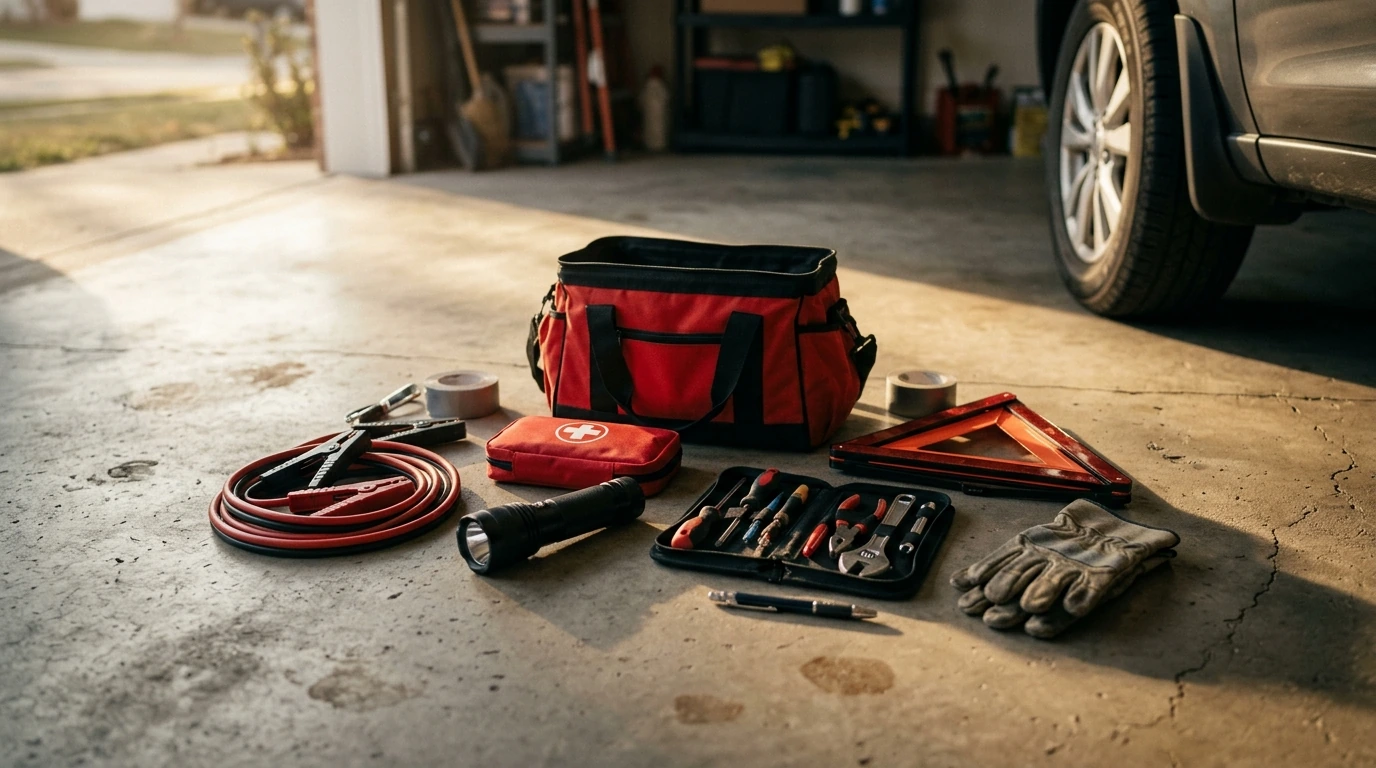
Being prepared for the unexpected is a cornerstone of responsible driving. An emergency kit can be a lifesaver. While not a maintenance task itself, having one stocked and ready is a critical aspect of vehicle care. Here’s a comparison of common items to include:
| Category | Essential Items | Purpose |
|---|---|---|
| Vehicle Repair | Jumper cables, basic tool kit, tire pressure gauge, spare tire/tire repair kit, jack | Addressing minor breakdowns or flat tires |
| Safety & Visibility | First-aid kit, flashlight with extra batteries, reflective triangles/flares, bright vest | Handling injuries, signaling for help, increasing visibility |
| Comfort & Survival | Blanket, non-perishable food, bottled water, phone charger, whistle | Staying warm, hydrated, and able to communicate in emergencies |
Empowering Your Journey: A Final Word
Taking ownership of these ten fundamental car maintenance tasks will not only make you a more confident and capable driver but will also contribute significantly to the longevity and reliability of your vehicle. While some maintenance requires professional expertise, understanding these basics empowers you to make informed decisions and recognize when your car needs attention. Drive safe, and happy motoring!