
A dead car battery can halt your day faster than almost anything else, often at the most inconvenient times. While it might seem daunting, knowing how to safely jump start your vehicle is a fundamental skill for any driver. This guide walks you through the process, ensuring you can get back on the road with confidence and without risking damage to your vehicle or yourself.
What You'll Need & Why This Guide Matters
Successfully jump starting a car isn't about brute force; it's about understanding electrical flow and adhering to safety protocols. This guide provides a clear, step-by-step methodology grounded in established automotive practices. It's designed to empower beginners, offering the knowledge to handle this common roadside issue safely and effectively.
Essential Tools and Safety Gear for a Jump Start
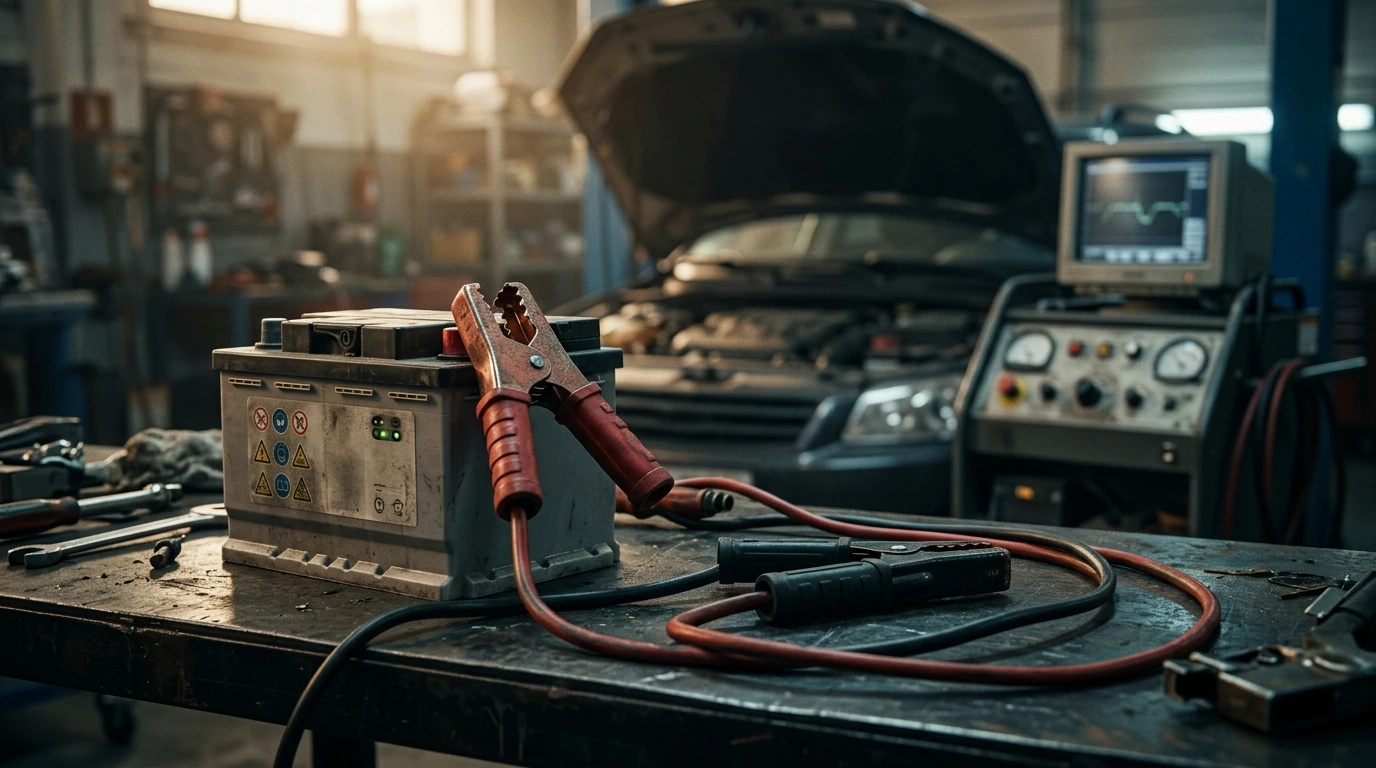
Before you even think about connecting cables, gather the right equipment. The quality of your tools directly impacts safety and success.
- Jumper Cables: Look for heavy-gauge cables (typically 4-gauge or 6-gauge) that are at least 10-12 feet long. Thicker cables offer less resistance, allowing more current to flow, which is crucial for larger engines or severely discharged batteries. Longer cables provide flexibility in positioning the donor vehicle.
- Safety Gloves: Protect your hands from potential sparks, heat, and corrosive battery acid.
- Safety Glasses: Battery acid can cause severe eye damage if splashed. Always wear eye protection.
- Flashlight (if dark): Essential for clear visibility of battery terminals and connections.
- Owner's Manual: Always consult both vehicles' owner's manuals for specific jump-starting instructions, especially regarding hybrid or electric vehicles, which may have different procedures or designated jump points.
Step-by-Step Jump Start Procedure
Follow these steps precisely to ensure a safe and effective jump start:
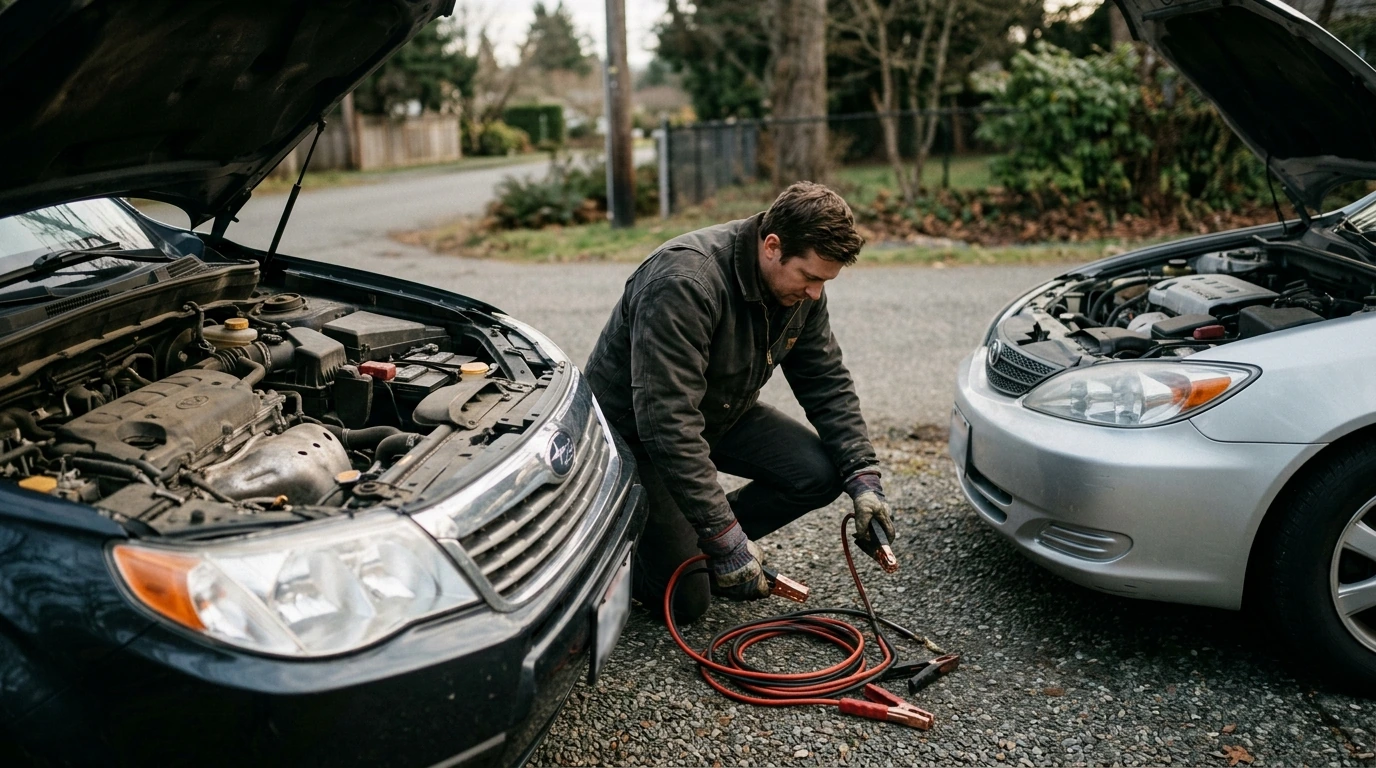
- Position the Vehicles: Park the working (donor) vehicle nose-to-nose with the disabled vehicle, or close enough that the jumper cables can easily reach both batteries without tension. Ensure both vehicles are in Park (automatic) or Neutral (manual) with the parking brakes engaged. Turn off both engines and all accessories (lights, radio, AC).
- Identify Terminals: Locate the batteries in both vehicles. Identify the positive (+) and negative (-) terminals. The positive terminal is usually larger and marked with a plus sign, often covered by a red cap. The negative terminal is marked with a minus sign, often covered by a black cap.
- Connect Positive Cables:
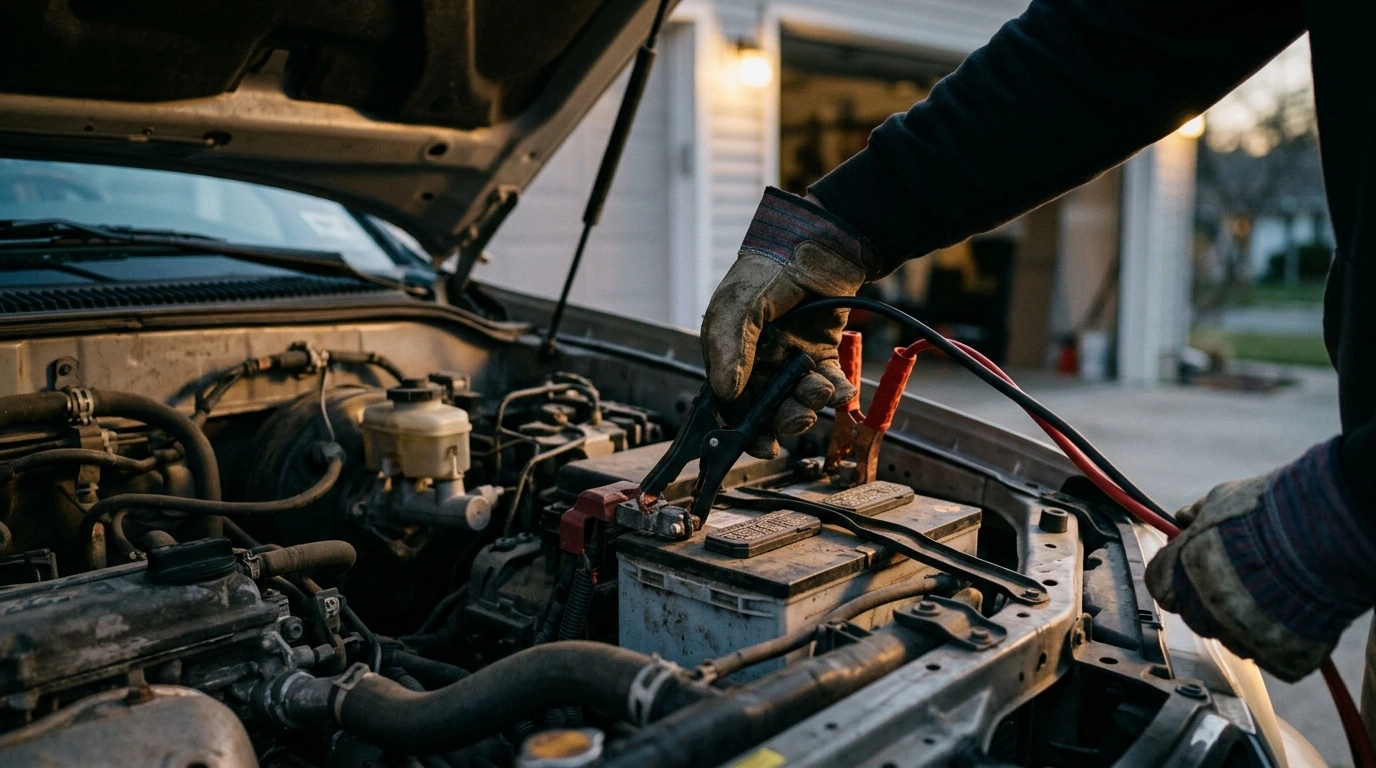
- Attach one red (positive) clamp to the positive (+) terminal of the dead battery.
- Attach the other end of the red (positive) clamp to the positive (+) terminal of the working battery.
- Connect Negative Cables:
- Attach one black (negative) clamp to the negative (-) terminal of the working battery.
- Attach the other end of the black (negative) clamp to an unpainted metal surface on the engine block or frame of the dead vehicle, away from the battery and moving parts. This provides a ground connection and minimizes the risk of sparks near the battery, where hydrogen gas might be present.
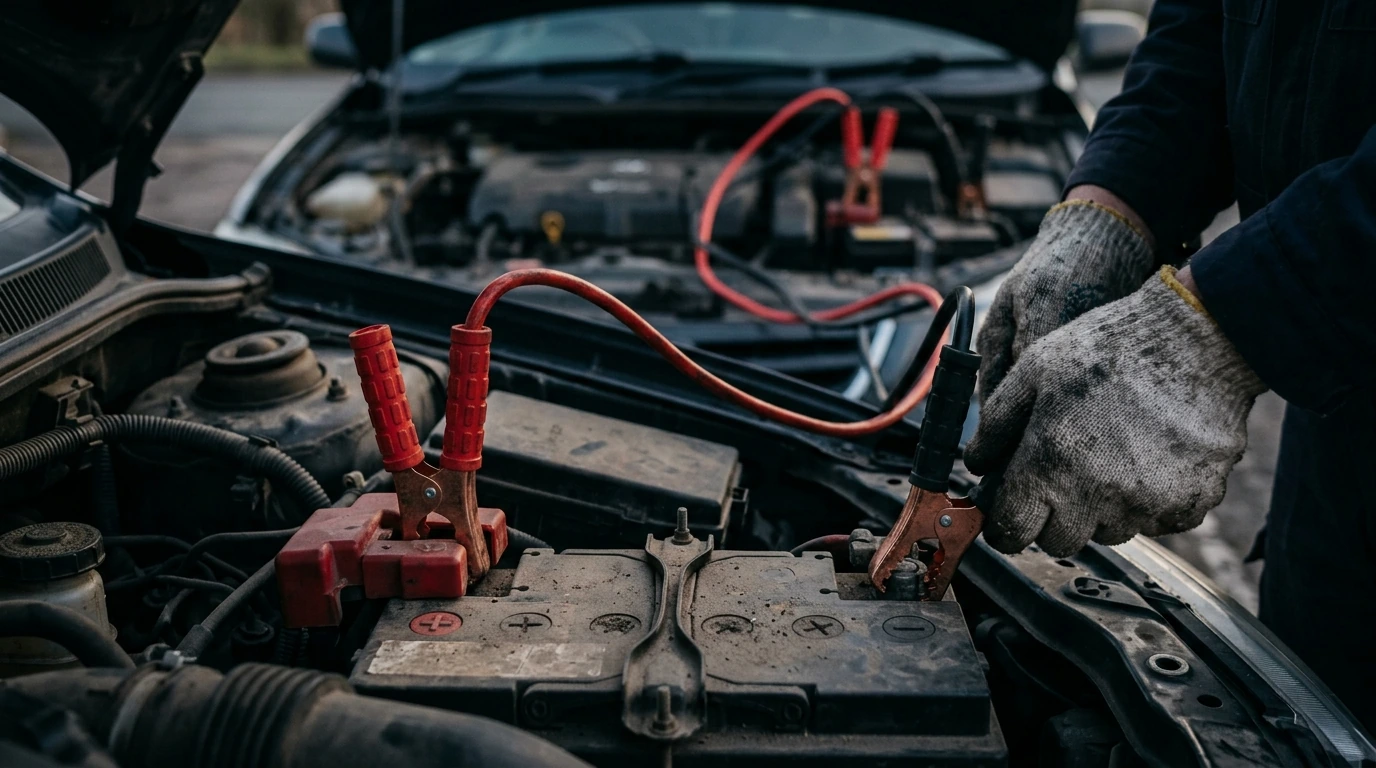
PRO TIP: Always connect the positive (+) cable first, then the negative (-) cable. When disconnecting, reverse the order: negative first, then positive. This minimizes the risk of electrical shorts or sparks.
- Start the Donor Vehicle: Start the engine of the working vehicle and let it run for 5-10 minutes. This allows its alternator to charge the dead battery slightly.
- Attempt to Start the Dead Vehicle: After the charging period, try to start the disabled vehicle. If it starts, let both engines run for a few minutes. If it doesn't start, wait a few more minutes, then try again. Do not crank the engine for more than 5 seconds at a time to prevent overheating the starter.
- Disconnect Cables (in reverse order): Once the dead vehicle starts, disconnect the cables in the exact reverse order of connection:
- Remove the black (negative) clamp from the unpainted metal surface of the now-running vehicle.
- Remove the black (negative) clamp from the negative (-) terminal of the working battery.
- Remove the red (positive) clamp from the positive (+) terminal of the working battery.
- Remove the red (positive) clamp from the positive (+) terminal of the now-running vehicle.
- Keep the Revived Vehicle Running: Drive the revived vehicle for at least 20-30 minutes to allow the alternator to fully recharge the battery.
Important Considerations & Troubleshooting
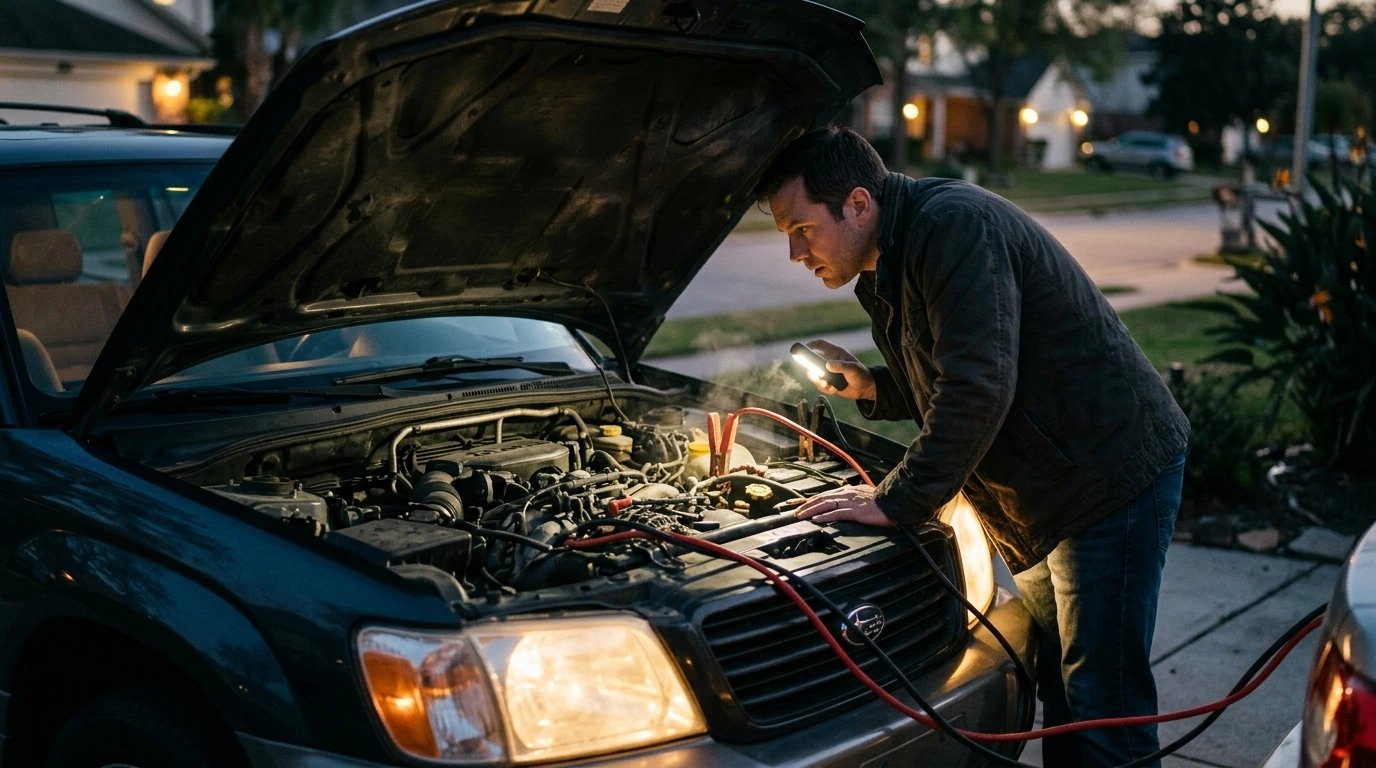
While the process is generally straightforward, some scenarios require extra attention:
- Corroded Terminals: Heavily corroded battery terminals can impede current flow. If possible, gently clean them with a wire brush before connecting cables, ensuring safety glasses are worn.
- Hybrid/Electric Vehicles: Many modern vehicles, especially hybrids and EVs, have specific jump-starting points or procedures. Always consult the owner's manual to avoid damaging complex electrical systems. Some vehicles may not be suitable as donor vehicles.
- Multiple Attempts: If the vehicle doesn't start after a few attempts, there might be a more significant issue than a dead battery, such as a faulty starter or alternator. Continued attempts could damage electrical components.
- Battery Age: If a battery frequently dies, it's likely nearing the end of its service life (typically 3-5 years) and should be tested or replaced.
Maintaining Your Battery & When to Seek Professional Help
Preventative maintenance can significantly extend your battery's life. Regularly check battery terminals for corrosion and ensure they are clean and tight. If your vehicle struggles to start even after a successful jump, or if the battery dies repeatedly, it's a strong indicator of a failing battery or an issue with the charging system (alternator). In such cases, a professional diagnostic is highly recommended to pinpoint the root cause and prevent future breakdowns.
High-Duty Commercial Vehicle Engine Parts: The 2026 Fleet Procurement & Technical Guide →
Frequently Asked Questions About Jump Starting
- Can I jump start a car with a completely dead battery?
- Yes, but it might take a bit longer for the donor vehicle to provide enough charge. If the battery is severely discharged or damaged, it might not hold a charge or start at all.
- What if my car still won't start after a jump?
- If your car doesn't start after several attempts, the issue likely isn't just a dead battery. It could be a faulty starter motor, alternator, or another electrical problem. It's best to call for roadside assistance or a tow to a mechanic.
- Is it safe to jump start a car in the rain?
- While generally possible, it increases the risk of electrical shorts. If you must jump start in the rain, ensure all connections are secure and avoid standing in puddles. Exercise extreme caution.
- How long should I drive after a jump start?
- Drive for at least 20-30 minutes at highway speeds if possible. This allows your alternator sufficient time to recharge the battery to a healthy level. Short trips immediately after a jump start might not fully replenish the battery.