
Understanding how often to change your car's oil can feel like navigating a maze of conflicting advice. While the classic 'every 3,000 miles' adage still lingers, modern vehicles and advanced lubricants have significantly altered these recommendations. For beginners, deciphering the right interval for your specific vehicle and driving habits is key to ensuring engine longevity and optimal performance.
Key Takeaways
- Always consult your vehicle's owner's manual for the definitive oil change schedule.
- Driving conditions (e.g., city vs. highway) and climate impact recommended intervals.
- The type of motor oil used (conventional, synthetic blend, full synthetic) greatly influences how long it lasts.
- Modern vehicles often feature Oil Life Monitoring Systems that dynamically adjust service recommendations.
Deciphering Your Vehicle's Oil Change Blueprint
Before reaching for any tools or even considering an oil change, the most crucial step is to understand what your vehicle's manufacturer recommends. This information is meticulously detailed in your car's owner's manual, a document that serves as the ultimate authority for all maintenance schedules.
Essential Prerequisites and Information Sources
- Your Vehicle's Owner's Manual: This is the primary resource. It will specify the exact oil type (e.g., 5W-30, 0W-20), the required oil viscosity, API service rating, and the recommended oil change intervals for both 'normal' and 'severe' driving conditions.
- Knowledge of Your Driving Habits: Are you mostly commuting short distances in stop-and-go traffic? Do you frequently tow? Or do you primarily drive long distances on highways? Your driving style directly impacts how quickly your oil degrades.
- Understanding Oil Types: Familiarize yourself with conventional, synthetic blend, and full synthetic oils. Each offers different protection levels and lifespan.
Establishing Your Optimal Oil Change Schedule
Once you have your owner's manual in hand and a clear picture of your driving habits, you can establish a practical oil change routine. This isn't a one-size-fits-all process; it's tailored to your vehicle and its usage.
- Consult Your Owner's Manual: Locate the maintenance schedule section. Here, you'll find recommended oil change intervals, often listed in both mileage and time (e.g., every 7,500 miles or 6 months, whichever comes first). Pay close attention to the distinction between 'normal' and 'severe' service schedules.
- Assess Your Driving Conditions: Many drivers mistakenly believe their driving falls under 'normal.' However, 'severe' conditions often include:
- Frequent short trips (under 10 miles)
- Driving in extreme hot or cold temperatures
- Stop-and-go city driving
- Towing a trailer or carrying heavy loads
- Driving in dusty or muddy conditions
If any of these describe your typical driving, follow the 'severe' service schedule, which usually recommends more frequent oil changes.
- Consider Your Oil Type:
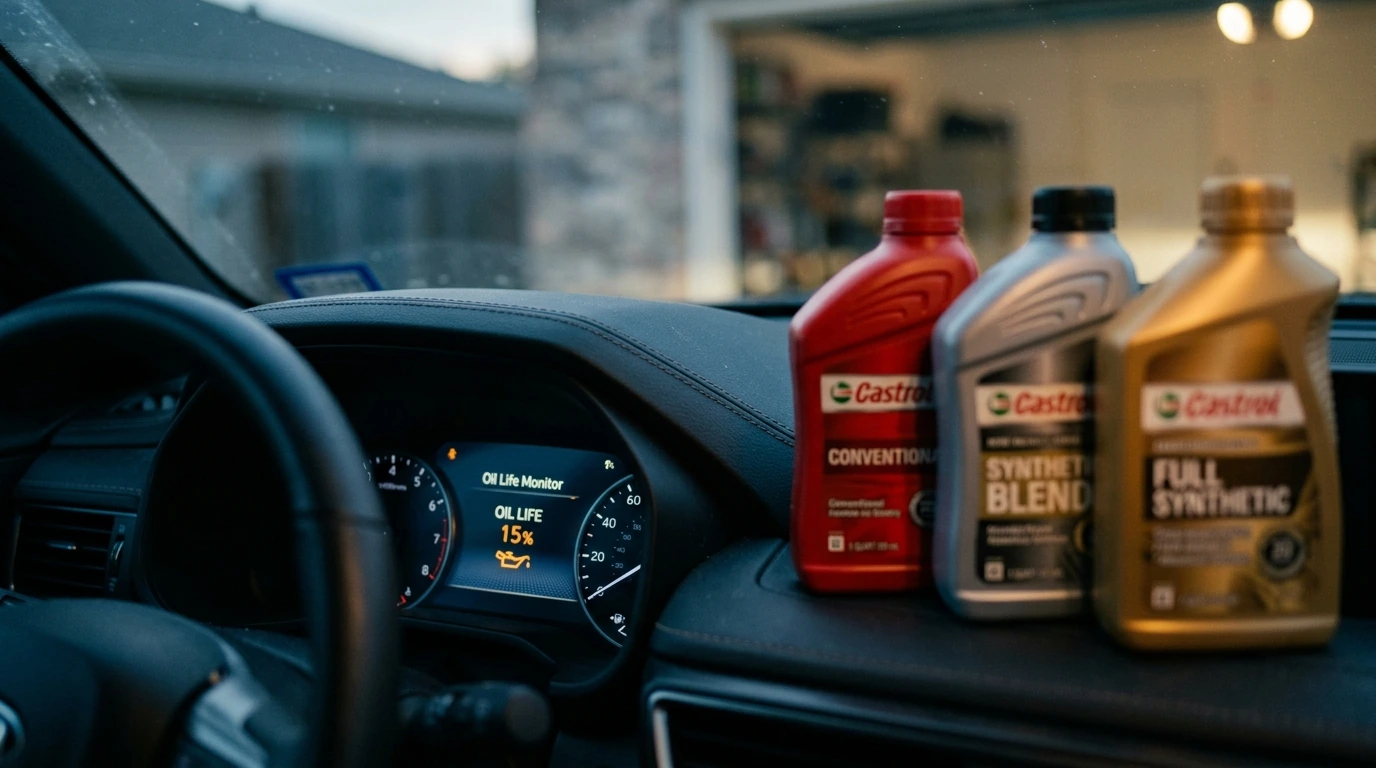
- Conventional Oil: Typically requires changes every 3,000 to 5,000 miles.
- Synthetic Blend Oil: Offers better protection and can often extend intervals to 5,000 to 7,500 miles.
- Full Synthetic Oil: Provides the best protection and longest lifespan, often allowing intervals of 7,500 to 10,000 miles, or even longer in some modern engines with advanced filtration.
Always ensure the oil you use meets or exceeds the specifications listed in your owner's manual, regardless of type.
- Utilize Your Vehicle's Oil Life Monitoring System (if equipped): Many modern cars feature an onboard computer that actively monitors engine conditions, driving habits, and oil degradation. This system will illuminate a light or display a message when an oil change is due, often providing a more accurate interval than a fixed mileage number. Trust this system, but still refer to your manual for maximum recommended intervals.

PRO TIP: Don't Just Rely on the Sticker
While the sticker from your last oil change is a good reminder, it often defaults to a generic 3,000-mile or 3-month interval. Always cross-reference this with your owner's manual and your driving conditions. Modern engines with synthetic oil can often go much longer, making overly frequent changes an unnecessary expense and environmental impact.
Common Missteps to Avoid
Several common mistakes can lead to premature engine wear or unnecessary maintenance costs when it comes to oil change intervals.
- Ignoring the Owner's Manual: This is the most critical error. Generic advice can be harmful if it contradicts your vehicle's specific requirements.
- Using the Wrong Oil Type or Viscosity: Using an oil that doesn't meet the manufacturer's specifications can lead to inadequate lubrication, increased wear, and even void your warranty.
- Extending Intervals Too Far: While modern oils last longer, pushing beyond the recommended maximums (even with synthetic oil) allows contaminants to build up and lubrication properties to degrade, harming your engine.
- Changing Oil Too Frequently: While not directly harmful, changing oil much more often than recommended (especially with full synthetic oil) is a waste of money and resources.
- Neglecting to Check Oil Level Between Changes: Even if your oil change interval is long, it's essential to periodically check your oil level. Engines can consume a small amount of oil, and running low can cause severe damage.
Ensuring Your Engine Stays Protected
After understanding the factors influencing your oil change schedule, regular verification ensures you're adhering to the best practices for your vehicle.
Post-Guidance Verification Checklist
- Regularly Check Your Oil Level: At least once a month, check your engine oil level using the dipstick. This ensures your engine always has sufficient lubrication, regardless of the change interval.
- Adhere to the Recommended Schedule: Whether you're following a mileage/time interval or an Oil Life Monitoring System, commit to changing your oil when due. Note the mileage and date of each oil change for your records.
- Monitor for Warning Lights: Pay attention to any dashboard warning lights related to oil pressure or oil level. Address these immediately.
- Observe Oil Condition (Optional): While not a definitive test, you can periodically check the color and consistency of the oil on your dipstick. Extremely dark, gritty, or milky oil can indicate a problem or that it's time for a change, even if not yet due.
Frequently Asked Questions
Q: Can I mix different types of motor oil?
A: While technically possible in an emergency, it's generally not recommended. For optimal performance and protection, stick to the specific type and viscosity recommended by your manufacturer. Mixing can dilute the beneficial properties of synthetic oils.
Q: What happens if I go too long without an oil change?
A: Over time, motor oil breaks down, loses its lubricating properties, and accumulates contaminants. Extending intervals too long can lead to increased friction, sludge buildup, reduced fuel efficiency, and eventually severe engine damage, including premature wear of critical components.
Q: Do I need to change my oil if I don't drive much?
A: Yes. Even if you don't accumulate many miles, oil degrades over time due to oxidation and condensation. Most manufacturers provide both a mileage and a time interval (e.g., every 7,500 miles or 6 months, whichever comes first). Always adhere to the time-based recommendation if you're a low-mileage driver.