
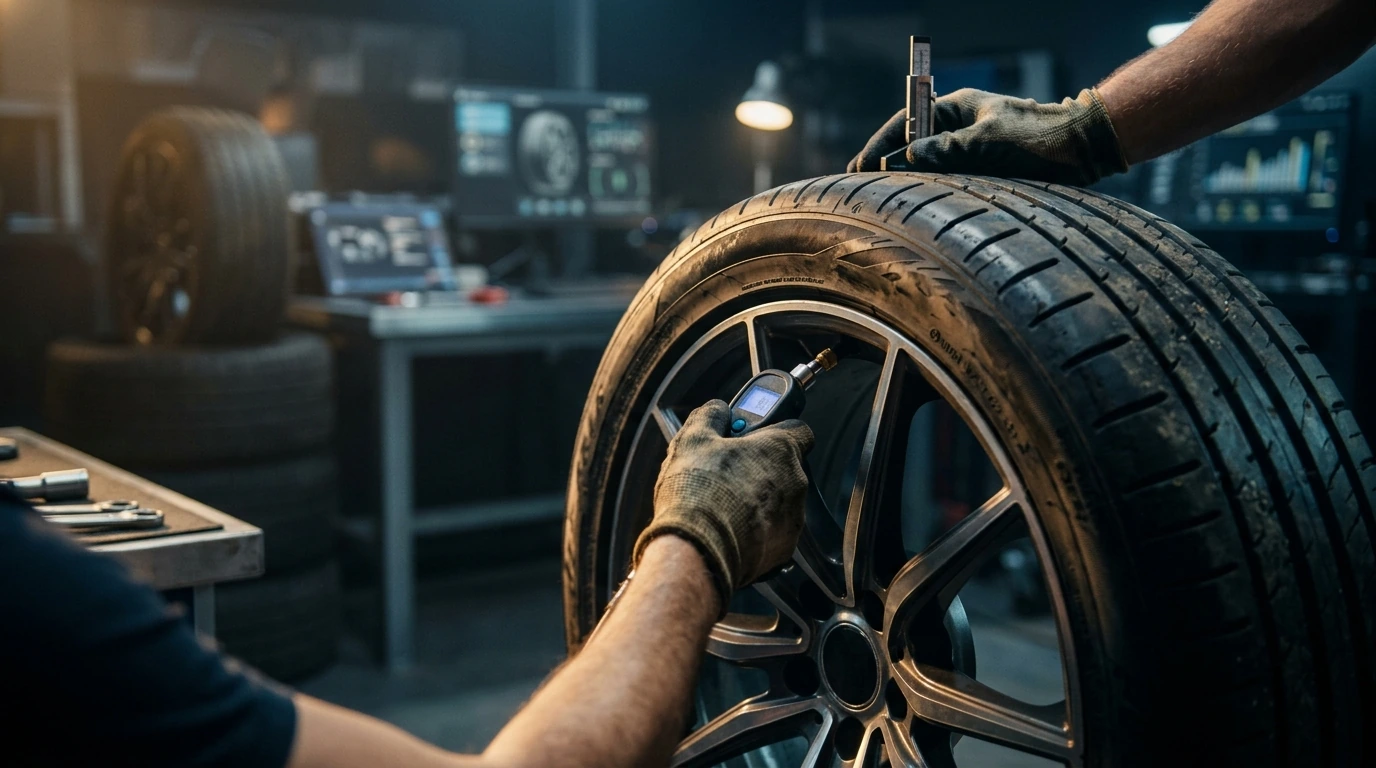
Ensuring your car's tires are properly inflated and have adequate tread depth is a fundamental aspect of vehicle maintenance. These simple checks directly impact your safety on the road, your vehicle's fuel efficiency, and the lifespan of your tires. Neglecting them can lead to dangerous handling characteristics, increased stopping distances, and premature tire wear.
Why Tire Health Matters for Every Driver
Tire pressure directly affects how your vehicle handles, brakes, and consumes fuel. Underinflated tires can cause excessive heat buildup, leading to blowouts, while overinflated tires reduce the contact patch with the road, compromising grip and accelerating wear in the center of the tread. Similarly, adequate tread depth is crucial for traction, especially in wet or snowy conditions, as it helps displace water and maintain contact. Worn tires significantly increase the risk of hydroplaning and extend braking distances.
Essential Tools for Tire Inspection
To accurately assess your tires, you'll need a couple of inexpensive, yet vital, tools. Understanding their types and proper use is key to reliable readings.
- Tire Pressure Gauges:
- Stick Gauge: These are simple, pen-shaped tools, often the most affordable. While generally reliable, their small scale can sometimes make precise readings challenging for beginners.
- Dial Gauge: Featuring a circular face and a needle, dial gauges are typically easier to read with greater precision. They tend to be more durable than stick gauges.
- Digital Gauge: Offering the highest accuracy and easiest readability with a clear digital display, these are often battery-powered and can provide readings in multiple units (PSI, kPa, Bar). Many include a backlight for low-light conditions.
- Tread Depth Gauges:
- Digital Tread Depth Gauge: Similar to digital pressure gauges, these provide precise, easy-to-read measurements on a digital screen.
- Stick Tread Depth Gauge: A simple, pen-like tool with a sliding probe that measures the depth against a calibrated scale.
- Coin Method: While not a precise gauge, a penny can offer a quick visual check. If you can see the top of Abraham Lincoln's head when inserted upside down into the shallowest tread groove, your tread is likely below the recommended minimum of 2/32nds of an inch.
How to Accurately Check Tire Pressure
Checking tire pressure is a straightforward process that should be performed at least once a month, or before any long trip. For the most accurate reading, check your tires when they are "cold," meaning the car hasn't been driven for at least three hours or more than a mile.
- Locate Recommended Pressure: The correct tire pressure for your vehicle is listed on a sticker typically found on the driver's side door jamb, inside the glove compartment, or in your owner's manual. Do not use the maximum pressure stamped on the tire's sidewall, as this is a manufacturing limit, not the recommended operating pressure.
- Remove Valve Cap: Unscrew the small plastic cap from the tire's valve stem. Keep it in a safe place so you don't lose it.
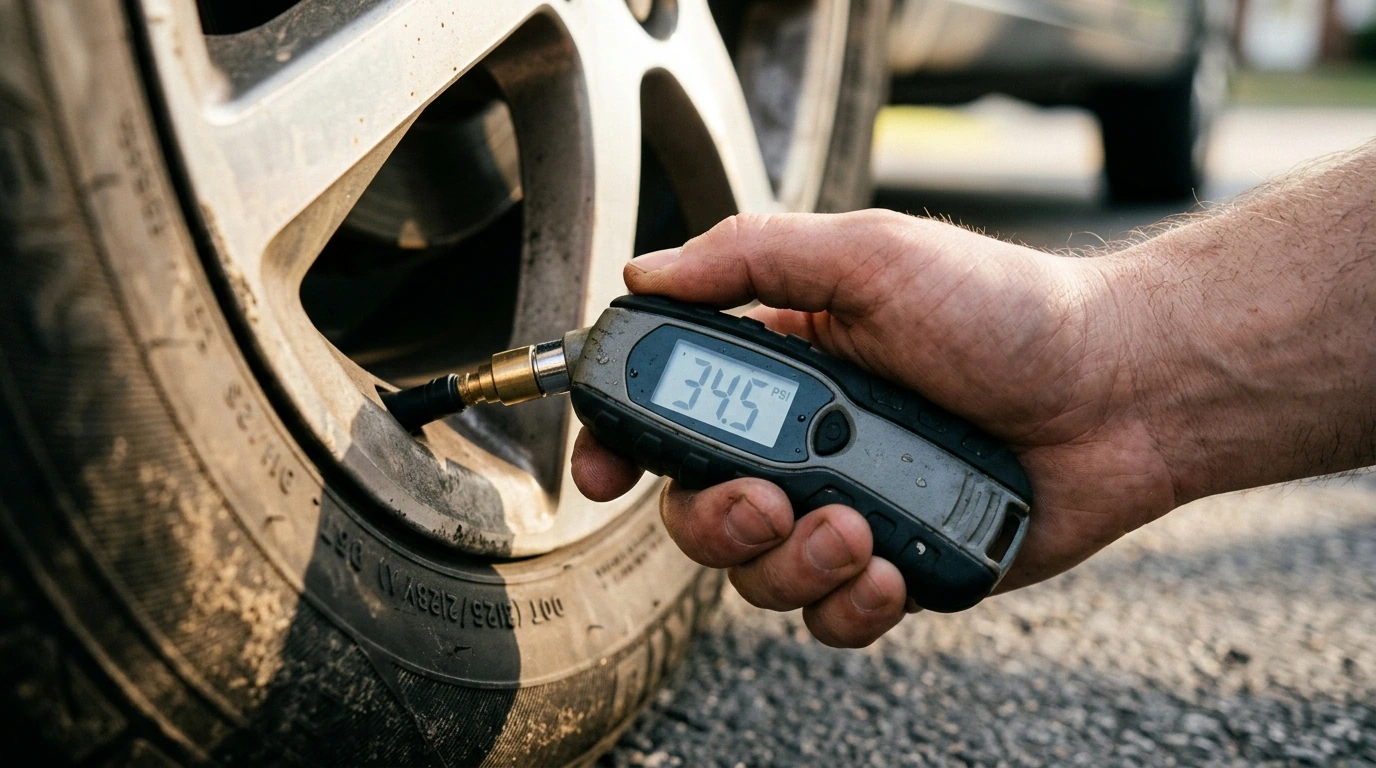
- Attach Gauge: Firmly press the tire pressure gauge straight onto the valve stem. You'll hear a brief hiss of air; this is normal. Hold it steady until the gauge provides a reading.
- Read the Pressure: Note the reading on your gauge. If using a stick gauge, the indicator will pop out; for a digital gauge, the number will display.
- Adjust Pressure:
- If too low: Add air using an air compressor (available at gas stations or for home use) until it reaches the recommended PSI. Re-check the pressure after adding air.
- If too high: Gently press the small pin in the center of the valve stem with the back of your gauge or a small tool to release air. Release small bursts and re-check until the desired pressure is reached.
- Replace Valve Cap: Once the pressure is correct, re-secure the valve cap to prevent dirt and moisture from entering the valve stem.
Measuring Tire Tread Depth
Tread depth is measured from the top of the tread block to the bottom of the deepest groove. The legal minimum tread depth in many regions is 2/32nds of an inch (1.6 mm). However, many automotive experts recommend replacing tires when they reach 4/32nds of an inch, especially if you frequently drive in wet conditions.
- Inspect for Wear Indicators: Most tires have "tread wear indicator bars" molded into the grooves. These are small, raised bars that become flush with the tread surface when the tire has reached 2/32nds of an inch. If these bars are visible and flush, it's time for new tires.
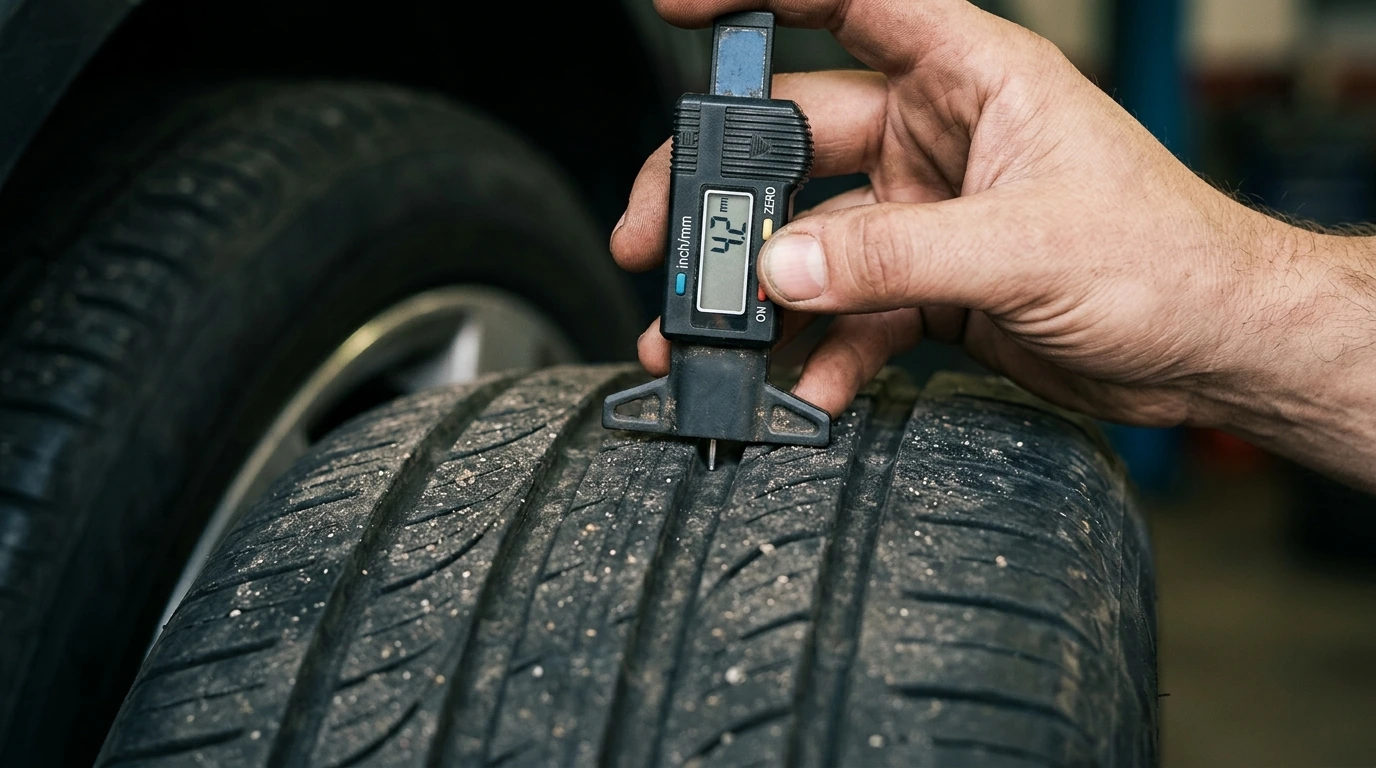
- Position the Gauge: Take your tread depth gauge and insert the probe into one of the main circumferential grooves of the tire. Ensure the gauge is perpendicular to the tire surface and pressed firmly against the tread block.
- Take Multiple Readings: Measure the tread depth at several points across the tire's width (inner, middle, outer) and around its circumference. This helps identify uneven wear patterns, which could indicate alignment issues or improper inflation.
- Record and Compare: Note down your readings. If any measurement falls below 2/32nds of an inch, or if there's significant uneven wear, consider tire replacement or professional inspection.
Benefits of Regular Tire Checks and Common Pitfalls
Consistent tire maintenance offers numerous advantages, but it's also important to be aware of potential issues.
Advantages of Diligent Tire Monitoring:
- Enhanced Safety: Correct pressure and adequate tread ensure optimal grip, handling, and braking performance, significantly reducing accident risk.
- Improved Fuel Economy: Properly inflated tires reduce rolling resistance, meaning your engine doesn't have to work as hard, leading to better gas mileage.
- Extended Tire Lifespan: Even tire wear, resulting from correct pressure and rotation, maximizes the usable life of your tires, saving you money on replacements.
- Better Ride Comfort: Tires at their recommended pressure contribute to a smoother, more comfortable ride.
- Reduced Environmental Impact: Better fuel economy means lower emissions.
Potential Challenges and Pitfalls:
- Inaccurate Gauges: Cheap or old gauges can provide incorrect readings. Periodically compare your gauge with a known accurate one.
- Checking Hot Tires: Taking readings immediately after driving will give an artificially high pressure, leading to underinflation once the tires cool.
- Ignoring Spare Tire: Many forget to check the spare. A flat spare tire is useless in an emergency.
- Uneven Wear Overlooked: Only checking one spot on a tire can miss alignment or suspension problems indicated by uneven wear.
PRO TIP: Don't Forget the Spare!
Always remember to check the pressure of your spare tire. A flat or underinflated spare is useless when you need it most. Keep it at the higher PSI recommended for spares, which is often around 60 PSI, but always consult your vehicle's owner's manual for the precise figure.
Maintaining Your Tires: Who Benefits and Why It's Crucial
Everyone who drives a car benefits from regular tire checks. For new drivers, it's a foundational skill that builds confidence and promotes safe driving habits. For seasoned motorists, it's a simple, quick routine that prevents costly repairs and ensures continued reliability. The cost of a good tire gauge is minimal compared to the expense of premature tire replacement, increased fuel consumption, or, most importantly, the potential cost of an accident caused by tire failure.
By integrating these basic checks into your routine, you gain peace of mind knowing your vehicle is safer, more efficient, and better prepared for the demands of the road. It's a small investment of time that yields significant returns in safety, performance, and financial savings.
Frequently Asked Questions
- How often should I check my tire pressure?
- It's recommended to check your tire pressure at least once a month and before any long road trips. Always check them when the tires are "cold."
- What is the minimum legal tread depth?
- The legal minimum tread depth in many places is 2/32nds of an inch (1.6 mm). However, many experts suggest replacing tires closer to 4/32nds of an inch for optimal safety, especially in wet conditions.
- Where can I find the correct tire pressure for my car?
- The recommended tire pressure is typically listed on a sticker located on the driver's side door jamb, inside the glove compartment, or within your vehicle's owner's manual.
- Can I use a coin to check tread depth?
- Yes, a penny can provide a quick visual check. If you insert it upside down into a tread groove and can see the top of Lincoln's head, your tread is likely below 2/32nds of an inch and should be replaced.