
Embarking on the journey of car ownership can feel both exciting and a little daunting, especially when faced with the responsibility of keeping your vehicle running smoothly. While modern cars are incredibly reliable, neglecting basic maintenance can lead to unexpected breakdowns, costly repairs, and even safety hazards. Understanding a few fundamental tasks can significantly extend your car's life and ensure your peace of mind on the road.
Key Takeaways
- Regular, simple checks prevent major vehicle issues and enhance safety.
- Tire pressure and tread depth are fundamental for optimal handling and fuel efficiency.
- Monitoring vital fluid levels (oil, coolant, brake fluid) is critical for engine and system health.
- A basic understanding of car maintenance empowers new drivers, saving money and building confidence.
Getting Started with Vehicle Upkeep
For many new drivers, the inner workings of a car remain a mystery, often leading to anxiety about potential problems. However, a proactive approach to vehicle care doesn't require a mechanic's certification. Instead, it involves developing a routine for ten essential tasks that are straightforward to perform and provide invaluable insights into your car's condition. These habits, when adopted early, foster a sense of control and responsibility, transforming potential worries into manageable routines.
Understanding Your Vehicle's Basic Needs
Your car communicates its needs through various indicators and the condition of its components. Learning to interpret these signals and perform routine checks is the cornerstone of responsible car ownership. Here are the ten tasks every new driver should integrate into their maintenance schedule:
Tire Health: Your Car's Foundation
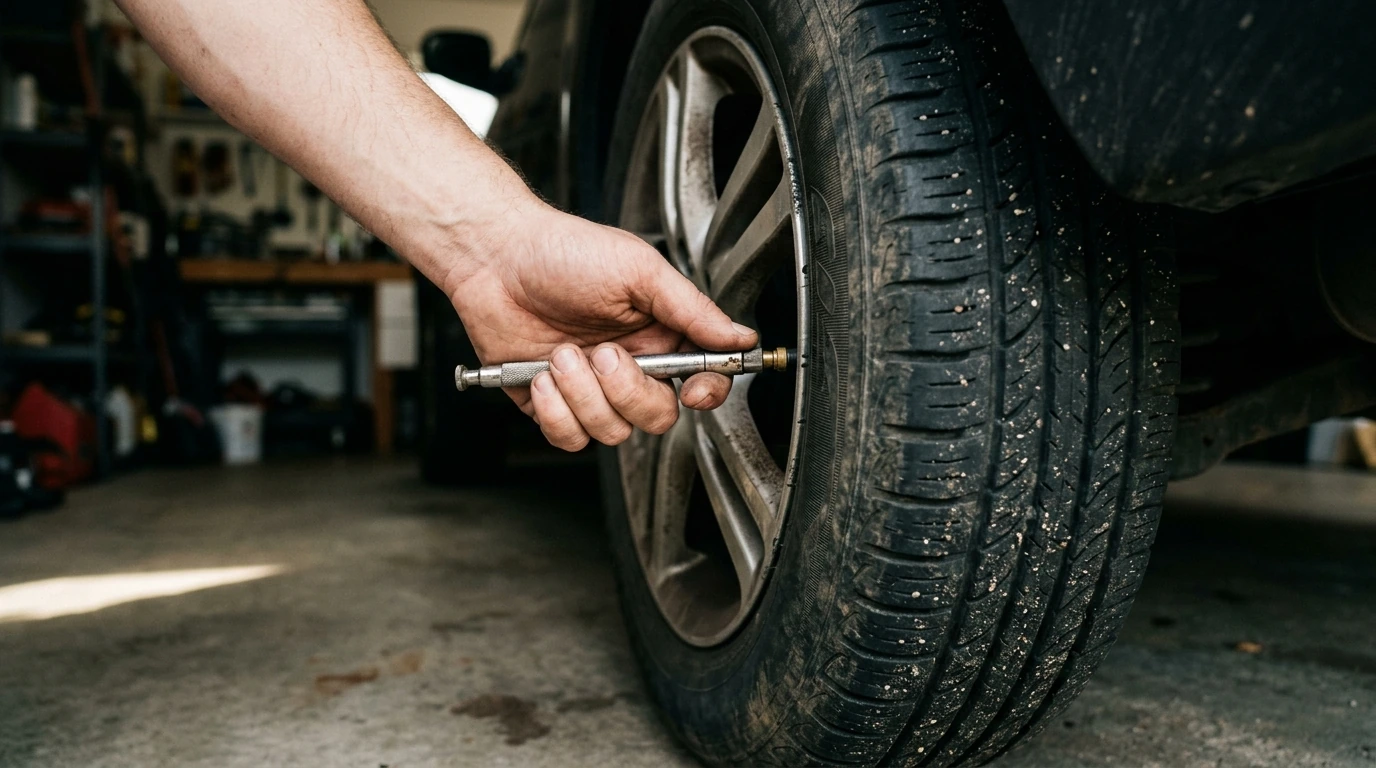
- Checking Tire Pressure: Correct tire pressure, as specified in your owner's manual or on a sticker inside the driver's door jamb, is crucial for safety, fuel efficiency, and tire longevity. Under-inflated tires can lead to poor handling and increased wear, while over-inflation can reduce grip.
- Inspecting Tire Tread and Condition: Regularly check your tire tread depth using a quarter (the top of Washington's head should be covered). Look for uneven wear, bulges, cracks, or embedded objects, which can indicate alignment issues or potential blowouts.
Vital Fluids: The Lifeblood of Your Engine
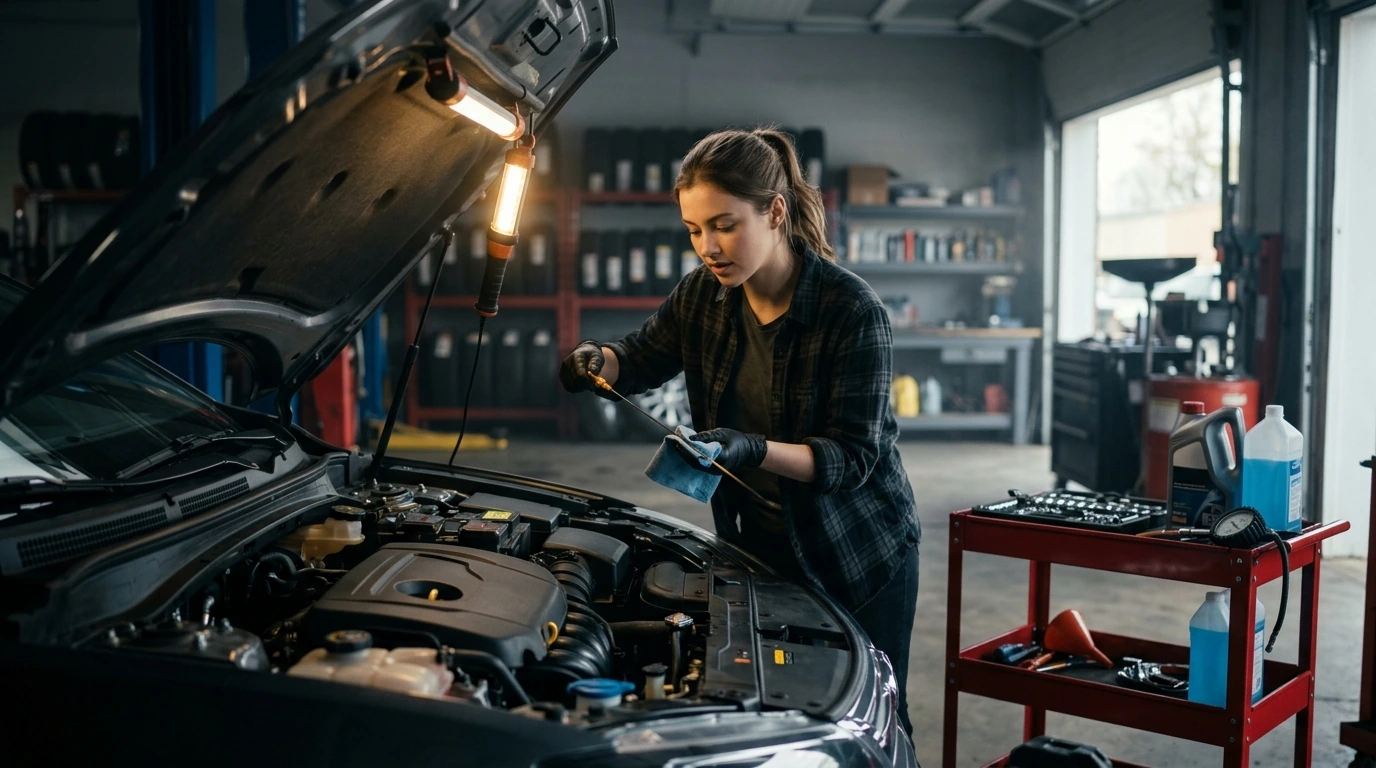
- Monitoring Engine Oil Level: Engine oil lubricates moving parts, reduces friction, and helps cool the engine. Checking it regularly (typically monthly or before long trips) ensures your engine has adequate protection. Consult your owner's manual for the correct procedure and oil type.
- Checking Coolant Level: Coolant prevents your engine from overheating and freezing. Always check the coolant reservoir when the engine is cold, ensuring it's between the 'Min' and 'Max' lines.
- Inspecting Brake Fluid: Brake fluid transmits the force from your brake pedal to the wheels. A low level can indicate a leak or worn brake pads. This check should be performed carefully, as brake fluid can damage paint.
- Topping Up Windshield Washer Fluid: Clear visibility is paramount. Keep your washer fluid reservoir full, especially during seasons with heavy rain, snow, or bugs.
Visibility, Lighting, and Power
- Checking and Replacing Wiper Blades: Worn wiper blades leave streaks, reducing visibility. Replace them annually or as soon as you notice streaking or chattering.
- Inspecting Exterior Lights: Headlights, taillights, brake lights, and turn signals are critical for seeing and being seen. Periodically walk around your car with the lights on to ensure all are functioning correctly.
- Knowing How to Jump-Start a Battery: A dead battery can leave you stranded. Understanding the correct, safe procedure for jump-starting (and carrying jumper cables) is a vital skill.
General Cleanliness and Awareness
- Basic Car Cleaning (Interior & Exterior): Regular washing protects your paint from environmental contaminants, while a clean interior reduces distractions and maintains resale value. It also provides an opportunity to notice any new dings or issues.
Real-World Application: Performing Key Checks
Performing these maintenance tasks doesn't require specialized tools beyond a tire pressure gauge and perhaps a funnel for fluids. The key is consistency. Many automotive experts recommend checking fluids and tires monthly, or before any significant road trip. For tasks like wiper blade replacement, following manufacturer recommendations or replacing them as soon as performance degrades is a wise approach.
Always consult your vehicle's owner's manual for specific instructions, fluid types, and recommended intervals. This resource is tailored to your exact make and model and provides the most accurate guidance. When topping off fluids, ensure you use the correct type and avoid overfilling, which can cause damage.
Pro Tip: Understanding Dashboard Warning Lights
Familiarize yourself with your dashboard's warning lights. While not a 'maintenance task' itself, knowing what each symbol means (e.g., check engine, oil pressure, battery, tire pressure monitoring system) and how to respond is crucial. Some lights indicate minor issues, while others signal immediate attention is required to prevent serious damage or ensure safety.
The Benefits and Challenges of DIY Maintenance
Taking on these basic maintenance tasks offers several clear advantages. Foremost, it can lead to significant cost savings by avoiding unnecessary mechanic visits for simple checks. More importantly, it builds familiarity with your vehicle, allowing you to detect minor issues before they escalate into major, expensive problems. This proactive approach can extend your car's lifespan and improve its overall reliability.
However, there are also considerations. Time commitment is a factor; while individual tasks are quick, integrating them into a routine takes discipline. There's also the potential for error if instructions aren't followed carefully, particularly with fluid types or overfilling. Knowing when a task is beyond your skill level and requires professional attention is also a critical part of responsible DIY maintenance.

Empowering Your Drive: Who Gains Most?
The knowledge of these ten essential car maintenance tasks is invaluable for any new driver. It's particularly beneficial for individuals on a tight budget who want to minimize repair costs, those who value self-sufficiency, and anyone seeking to build confidence in their ability to manage their vehicle. By understanding and performing these basic checks, new drivers can ensure their car remains safe, reliable, and efficient, transforming the potentially intimidating world of automotive care into a manageable and empowering aspect of daily life.