
Understanding when to change your car's engine oil is fundamental to vehicle longevity and performance. For many new drivers, the question of oil change frequency can seem complex, with various recommendations circulating. The truth is, there isn't a single, universal answer; your car's optimal oil change schedule depends on several key factors, all working together to ensure your engine remains well-lubricated and protected.
Ignoring proper oil maintenance can lead to significant engine wear, reduced fuel efficiency, and costly repairs down the road. This guide will help demystify the process, providing a clear blueprint for determining the right interval for your specific vehicle and driving conditions.
Key Takeaways
- Always consult your vehicle's owner's manual for the primary oil change interval recommendation.
- Modern synthetic oils generally allow for longer intervals compared to conventional oils.
- Your driving habits (e.g., frequent short trips, heavy towing) significantly affect oil life.
- Regularly check your oil level and condition between scheduled changes.
- An Oil Life Monitoring System (if equipped) provides dynamic, real-time guidance.

Understanding Engine Oil's Purpose and Degradation
Engine oil serves as the lifeblood of your vehicle's engine, performing several critical functions. It lubricates moving parts to reduce friction and wear, cools the engine by carrying heat away from hot areas, cleans by suspending dirt and contaminants, and helps seal the piston rings. Over time, engine oil degrades due to heat, oxidation, and contamination from combustion byproducts. This degradation reduces its ability to perform these vital tasks, making timely replacement essential to prevent engine damage.
Decoding Manufacturer Recommendations
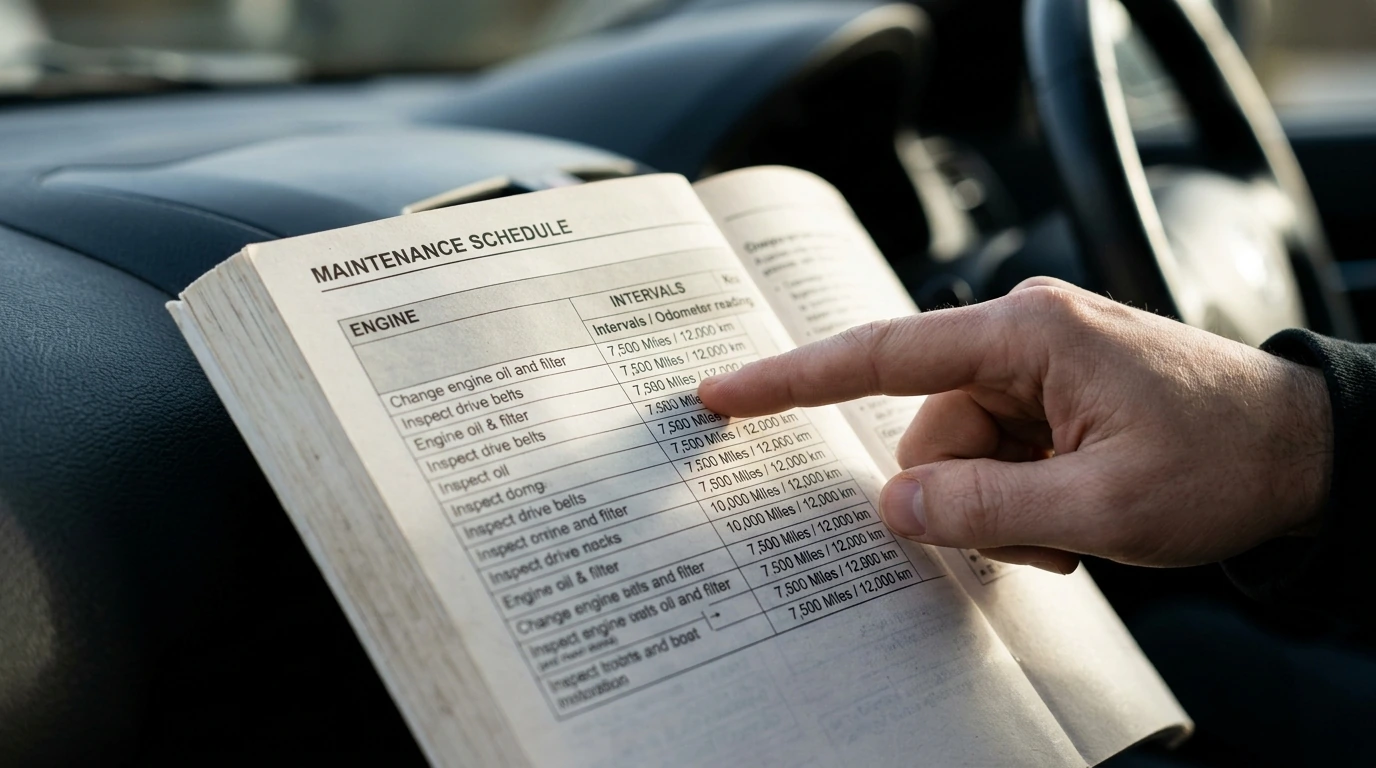
The first and most authoritative source for your car's oil change schedule is its owner's manual. Vehicle manufacturers conduct extensive testing to determine the optimal service intervals for their engines under various conditions. These recommendations typically specify a mileage interval (e.g., every 5,000 to 10,000 miles) or a time interval (e.g., every 6 to 12 months), whichever comes first. It's crucial to locate this section in your manual and adhere to these guidelines as a baseline.
- Locate Your Owner's Manual: Find the physical manual in your glove compartment or search for a digital version online using your car's make, model, and year.
- Find the Maintenance Schedule: Look for sections titled "Maintenance Schedule," "Service Intervals," or "Fluids and Capacities."
- Note Oil Type and Interval: The manual will specify the recommended oil viscosity (e.g., 5W-30) and type (conventional, synthetic blend, full synthetic), along with the standard oil change interval.
- Identify "Severe" Conditions: Pay close attention to any "severe service" or "special operating conditions" sections, as these often suggest shorter intervals.
Influencing Factors on Oil Change Frequency
While the owner's manual provides a solid starting point, several real-world factors can influence how often your car truly needs an oil change. Understanding these helps you tailor your maintenance schedule for optimal engine health.
- Oil Type: This is a primary determinant. Conventional mineral oils typically require changes every 3,000-5,000 miles or 3-6 months. Synthetic blend oils often extend this to 5,000-7,500 miles. Full synthetic oils offer the longest intervals, frequently reaching 7,500-15,000 miles or 6-12 months, depending on the manufacturer and specific formulation.
- Driving Habits: Aggressive driving, frequent short trips (where the engine doesn't reach full operating temperature), heavy towing, or extensive idling (e.g., ride-sharing in urban traffic) are considered "severe service" conditions. These scenarios put extra stress on the oil, causing it to break down faster. If your driving falls into these categories, consider shortening your oil change interval.
- Climate and Environment: Driving in extremely hot or cold climates, or in dusty conditions, can also accelerate oil degradation. High temperatures increase oxidation, while dust can introduce more contaminants into the oil.
- Vehicle Age and Condition: Older engines, or those with higher mileage, might benefit from slightly more frequent oil changes, especially if they show signs of oil consumption or minor leaks. Modern engines, designed with tighter tolerances, often benefit most from synthetic oils and their extended intervals.
- Oil Life Monitoring Systems (OLMS): Many modern vehicles feature an OLMS that uses algorithms to calculate remaining oil life based on engine operating conditions, temperature, mileage, and driving style. This system provides a dynamic recommendation, often displaying a percentage of oil life remaining on your dashboard. When the system indicates 15-20% life remaining, it's generally time to schedule a change.
Typical Oil Type and Interval Comparison
| Oil Type | Typical Mileage Interval | Typical Time Interval | Common Use Cases |
|---|---|---|---|
| Conventional | 3,000 - 5,000 miles | 3 - 6 months | Older vehicles, light driving, budget-conscious |
| Synthetic Blend | 5,000 - 7,500 miles | 6 - 9 months | Mix of city/highway, moderate driving conditions |
| Full Synthetic | 7,500 - 15,000 miles | 6 - 12 months | Modern engines, high-performance, severe conditions, extended intervals |
Common Missteps in Oil Maintenance
Avoiding critical mistakes ensures your engine receives the best care. Here are some common errors to watch for:
- Ignoring the Owner's Manual: Relying solely on outdated "3,000-mile rules" without checking your specific vehicle's manual can lead to unnecessary changes or, conversely, neglecting longer intervals for modern oils.
- Over-Extending Intervals: Pushing oil changes far beyond recommended limits, even with synthetic oil, risks severe engine damage from lubricant breakdown and sludge buildup.
- Using the Wrong Oil Type or Viscosity: Always use the oil type (conventional, synthetic blend, full synthetic) and viscosity (e.g., 5W-30, 0W-20) specified by your manufacturer. Using an incorrect oil can compromise lubrication and engine protection.
- Neglecting Oil Level Checks: Even between scheduled changes, oil levels can drop due to consumption or minor leaks. Failing to check and top off oil can lead to dangerously low levels.
- Disregarding Dashboard Warning Lights: An illuminated oil pressure warning light indicates a critical issue requiring immediate attention. An "Oil Change Required" or "Service Due" message from an OLMS should also prompt action.
PRO TIP: Keep a Log!
Maintain a simple record of your oil changes, noting the date, mileage, and type of oil used. This helps you track your maintenance history, ensures you don't miss scheduled services, and can be valuable if you ever need to demonstrate proper vehicle care for warranty purposes or resale.
Post-Service Verification and Ongoing Monitoring
After an oil change, whether performed by you or a service center, a few checks ensure everything is correct and your engine is ready for the road.
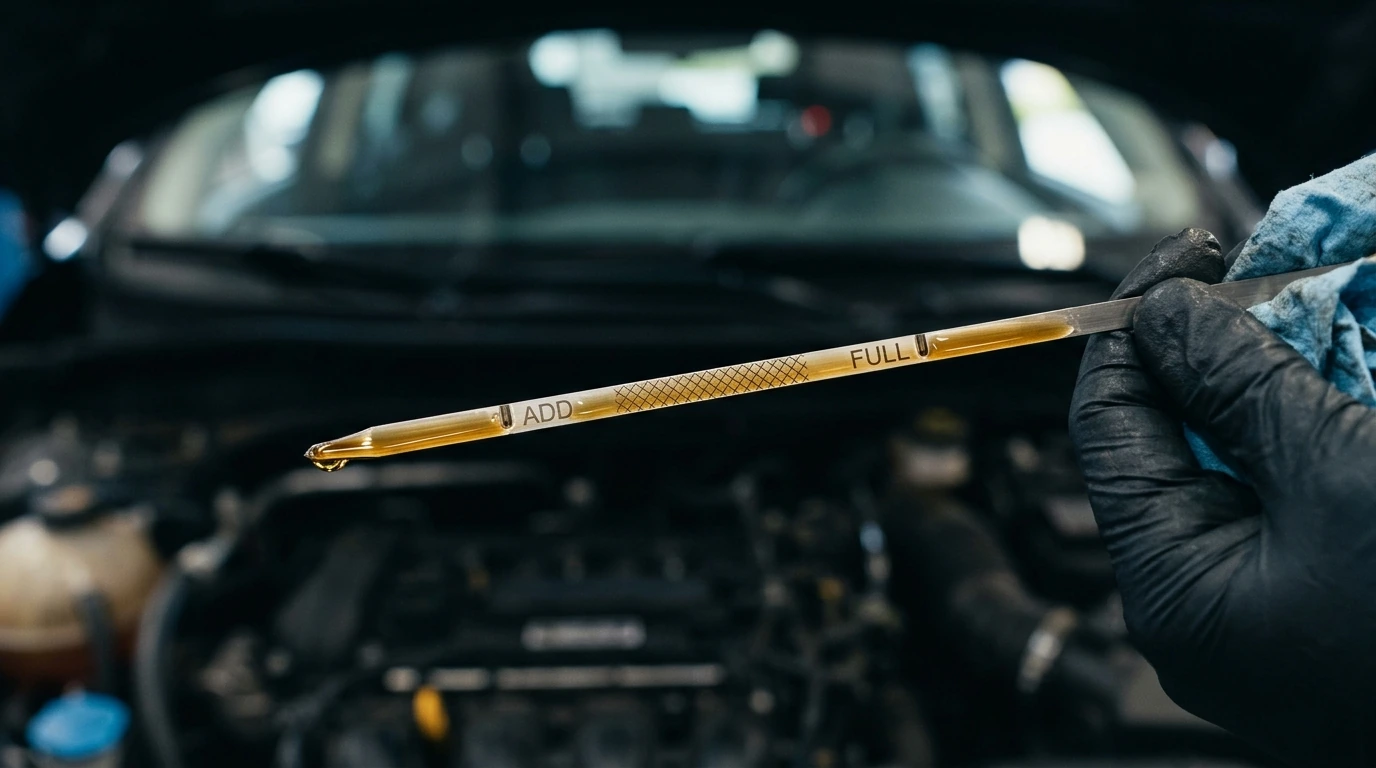
- Check Oil Level: Within a few minutes of the engine running (to circulate new oil) and then sitting for 5-10 minutes on level ground, check the oil level using the dipstick. It should be between the "add" and "full" marks.
- Inspect for Leaks: Look under the vehicle for any fresh oil drips or puddles, which could indicate a loose drain plug or filter.
- Reset Oil Life Monitor: If your vehicle has an OLMS, ensure it has been reset by the service technician or follow the procedure in your owner's manual to do it yourself.
- Regular Dipstick Checks: Periodically, perhaps every few fuel fill-ups, check your oil level and observe its color and consistency. While new oil is golden, it will darken over time, which is normal. However, a milky appearance could signal coolant contamination, requiring immediate professional inspection.
Frequently Asked Questions
How do I know if my car uses conventional or synthetic oil?
Your vehicle's owner's manual specifies the recommended oil type and viscosity. If you're unsure, a quick search online with your car's make, model, and year, or a call to your dealership's service department, can provide the definitive answer.
Can I mix different types of engine oil?
While mixing different brands of the same oil type (e.g., two different brands of full synthetic 5W-30) is generally acceptable in a pinch, mixing conventional and synthetic oils is not recommended. It can dilute the benefits of synthetic oil and potentially affect its performance characteristics.
What happens if I go too long without an oil change?
Extending oil changes beyond recommended intervals causes the oil to break down, lose its lubricating properties, and accumulate sludge. This leads to increased friction, excessive engine wear, reduced fuel efficiency, and eventually, can result in severe and costly engine damage.
Is it better to change oil based on mileage or time?
Always adhere to whichever comes first: the mileage or time interval specified in your owner's manual. Even if you don't drive many miles, oil degrades over time due to oxidation and contamination, necessitating a change.